 Tiếng anh
 Vietnam
5 IMPORTANT NOTES WHEN OPERATING AN AED | WELLBEING
The Automated External Defibrillator (AED) is a modern device capable of automatic heart rhythm analysis, defibrillation, and providing high-quality CPR guidance. Designed to be compact and simple, AEDs are essential for emergency situations. Here are 5 critical notes when operating an AED:
The Automated External Defibrillator (AED) is a modern device capable of automatic heart rhythm analysis, defibrillation, and providing high-quality CPR guidance. Designed to be compact and simple, AEDs are essential for emergency situations. Here are 5 critical notes when operating an AED:
1. Place the AED in an Easily Accessible Location
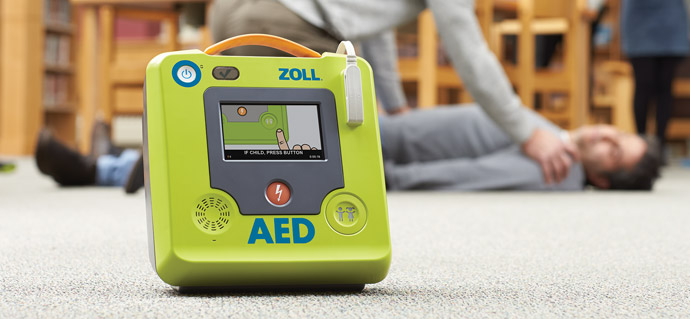
AEDs should be located in public areas and accessible within 3 to 5 minutes of a cardiac arrest event. Since every minute without defibrillation reduces the victim's chance of survival by 10%, placing AEDs in remote locations or locked cabinets significantly hinders lifesaving efforts.
-
Ideal Locations: Prominent spots in buildings, shopping malls, near entrances, corridors, or reception desks.
-
Signage: These devices require clear directions on building maps and distinctive signage (Heart symbol with a lightning bolt).
2. Always Ensure the AED is Ready for Operation
Every AED performs self-tests and indicates its status via a visual indicator. While daily checks aren't mandatory, visually inspecting the status indicator weekly or monthly is essential.
-
High-end models: Readiness status can be monitored remotely via the internet.
-
Error Signals: If the AED emits an audible alarm or shows a red status light (Red X), immediately contact the distributor for inspection to ensure future readiness.
3. Caution When Using AEDs in Special Environments While designed for various conditions, caution is needed in specific scenarios:
-
Flammable Environments: Avoid using AEDs in areas with high concentrations of flammable gases or volatile substances (e.g., oxygen-rich environments). The electrical discharge can create sparks, causing fire or explosion hazards.
-
Wet Environments: Ensure the victim is in a dry area. Do not place electrode pads on a wet chest, as water conducts electricity and reduces shock efficacy. Action: Remove wet clothing and wipe the chest dry before applying pads.
4. Do Not Touch the Victim During Analysis and Shock Delivery
-
During Analysis: The AED automatically analyzes heart rhythms. Touching the victim can cause motion interference, leading the machine to misinterpret the rhythm (analyzing the rescuer's movement instead of the victim's heart).
-
During Shock: AEDs deliver high-voltage electricity. Touching the victim during the shock puts the rescuer at risk of electrocution. Always ensure everyone stands clear before pressing the shock button.
5. AEDs Can Be Used on Pregnant Women and Children
-
Pregnant Women: It is safe to use AEDs on pregnant women; it does not harm the fetus. Saving the mother is the priority to save the baby.
-
Children:
-
> 8 years old or > 25kg: Use adult pads.
-
< 8 years old or < 25kg: Use Pediatric Pads or switch the device to Pediatric Mode (if available) to attenuate the energy level.
-
Crucially, AED use must be combined with CPR (Chest Compressions and Rescue Breathing). If performed within the first few minutes of cardiac arrest, the victim has up to a 76% chance of survival. This drops to merely 2% if no action is taken
Comments:
There are no comment for this news.

.png)
.png)