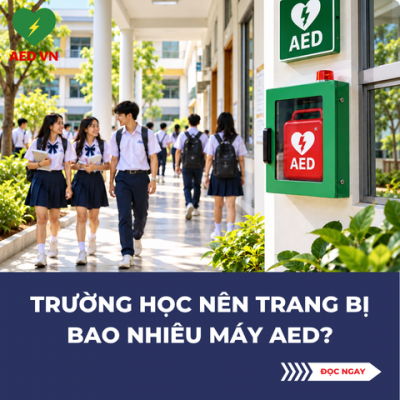
How many AEDs does a school need? Learn how to determine the right number and placement of AEDs based on campus layout to ensure quick access during an emergency.
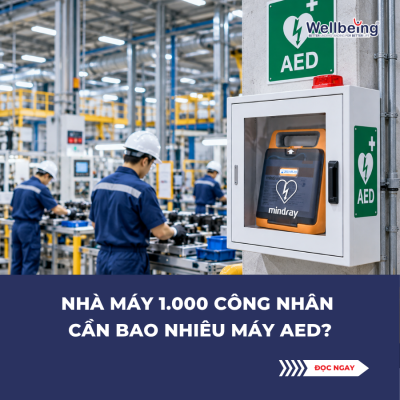
How many AEDs does a factory with 1,000 workers need? Learn how to determine the right number and placement of AEDs to ensure quick access during an emergency.
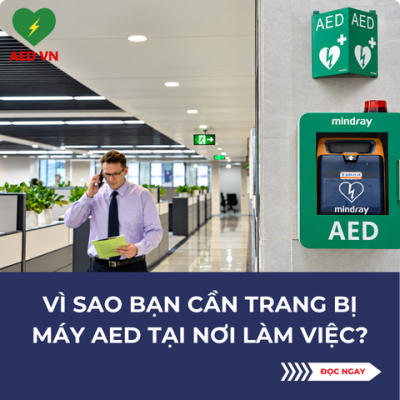
Does a 100-employee office need an AED? Explore key factors for AED placement, device quantity, CPR/AED training, and workplace cardiac arrest response.
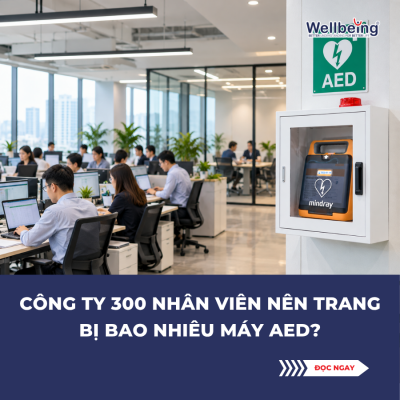
How many AEDs should a company with 300 employees have? Discover how to determine the right number of AEDs based on facility size, response time, and workplace layout.
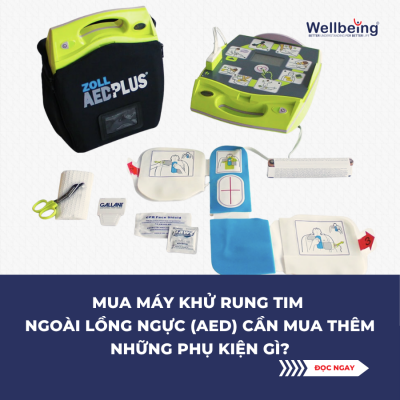
Purchasing an AED is not just about the device itself. An AED also requires compatible electrode pads, batteries, and proper storage solutions. Learn how to choose the right accessories and follow the recommended inspection schedule to keep your AED ready for use at all times.
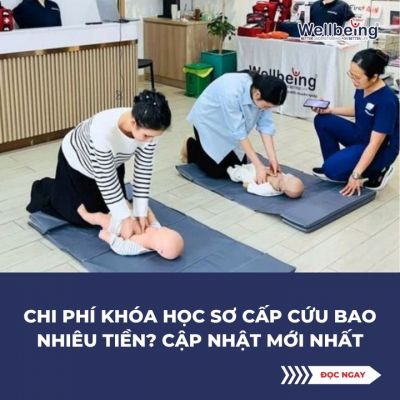
The cost of a first aid course currently ranges from a few hundred thousand to several million VND, depending on the target learners, course format, and training program.

In the context of Hoi An's strong development in tourism and services with a high density of international visitors, the need for businesses to participate in first aid courses is becoming increasingly urgent. Not stopping at legal compliance requirements, first aid training is also an important part of the risk management strategy, helping businesses proactively respond to emergencies such as stroke, cardiac arrest, workplace accidents, or drowning.

In the strategy of installing AEDs in schools, many organizations often focus on the placement of the device without properly evaluating the role of storage and maintenance. In reality, an AED only proves effective when it is always in a ready-to-operate state, which directly depends on storage conditions, inspection procedures, and adherence to safety standards.

In modern safety strategies, installing AEDs (Automated External Defibrillators) is becoming an inevitable trend. However, many organizations focus only on installation without paying adequate attention to inspecting and maintaining the equipment. In reality, an AED only truly "saves lives" when it is always in a ready-to-operate state.

During the AED installation process in schools, many organizations often focus on the device without properly evaluating the role of the cabinet. In reality, the AED cabinet is an integral component of the emergency system, directly affecting accessibility, device durability, and operational efficiency. An AED machine can analyze heart rhythms, guide CPR, and deliver accurate electrical shocks, but if it is placed in a cabinet that is hard to open, difficult to identify, or unsuitable for the environment, the entire emergency procedure can be delayed. Therefore, selecting a cabinet should be considered a technical decision in the AED installation strategy, not just an accompanying accessory.

In the school safety system, installing an AED is not merely about equipping a device but is also a critical emergency medical intervention strategy. An AED (Automated External Defibrillator) is a device capable of analyzing the heart rhythm and delivering an electric shock to terminate dangerous arrhythmias such as ventricular fibrillation, a common cause of sudden cardiac arrest. However, the value of this device depends almost entirely on accessibility during the "golden window."

Investing in AEDs and usage training is not only a safety solution but also a significant step forward in building a proactive, humane school environment ready to respond to any emergency situation.

In the educational environment, where students spend most of their time learning and participating in activities, accidents and health incidents can happen at any time. Therefore, establishing first aid procedures in schools is not only a professional requirement but also a crucial pillar of the school health system, contributing to protecting the safety and health of students.

In the modern educational ecosystem, school health is no longer just a "supporting" department but has become a pillar ensuring the sustainable development of students. As the school environment expands its scope of activities from academics to sports and extracurriculars, health risks also become more diverse and unpredictable. This poses an urgent requirement: the school health system must be invested in proactively, intensively, and with rapid response capabilities.

In the context of the growing need to equip emergency devices, choosing a suitable AED model in Vietnam has become a matter of interest for many schools, businesses, and public facilities. An AED is not just a medical device but a solution to ensure safety in emergency situations such as sudden cardiac arrest. However, to choose the right device, it is necessary to clearly understand the characteristics of each model and the provider.
 Tiếng anh
 Vietnam
.png)
.png)