 Tiếng anh
 Vietnam
School Medical Equipment That Needs to be Equipped: A Solution for Enhancing Comprehensive School Health Quality
In the modern educational ecosystem, school health is no longer just a "supporting" department but has become a pillar ensuring the sustainable development of students. As the school environment expands its scope of activities from academics to sports and extracurriculars, health risks also become more diverse and unpredictable. This poses an urgent requirement: the school health system must be invested in proactively, intensively, and with rapid response capabilities.
Instead of the "use what you have" approach, schools today need to build a systematic school health strategy, in which equipment is not just to "meet regulations" but must truly play a life-saving and preventive role.
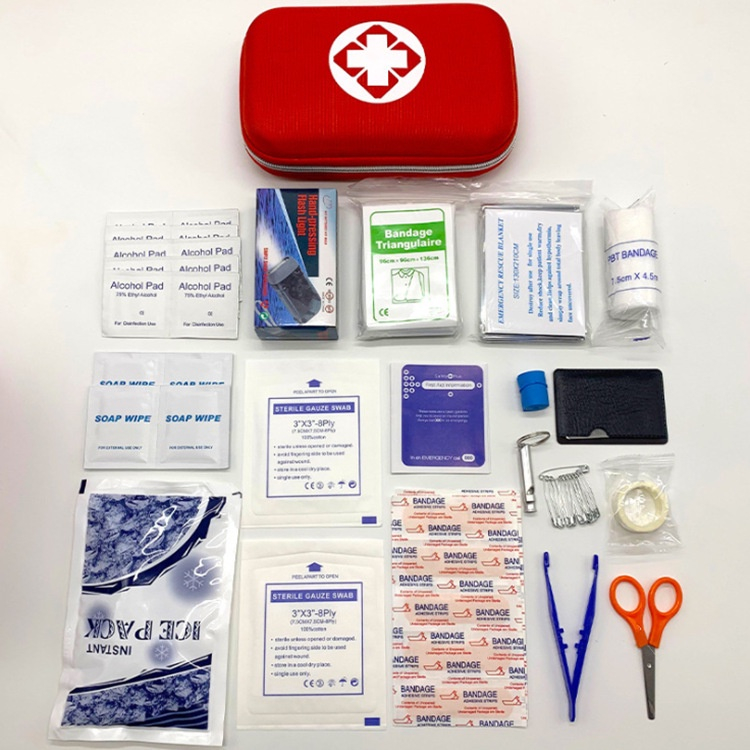
Every agency, organization, and especially schools must equip themselves with essential medical equipment to serve first aid and treatment in urgent cases, ensuring safety and health for everyone.
1. What is school health and why does it need proper investment?
According to Joint Circular No. 13/2016/TTLT-BYT-BGDĐT, school health includes all health care, disease prevention, first aid, and student health management activities in the educational environment. This is a linked system between the school, healthcare, and family to ensure comprehensive physical and mental development for students.
Recent statistics show that school accidents do not stop at minor injuries but also include critical situations such as sudden cardiac arrest, anaphylactic shock, and stroke in young people. The common point in these situations is that the response time directly determines the chance of survival.
Therefore, investing in school health is essentially investing in "response time," the key factor helping to minimize risks and consequences.
2. First Aid Kits in School Health: The Initial Rapid Response Solution
In the school health system, the first aid kit is often seen as simple equipment. However, analyzing deeper, this is the tool that helps control the situation in the first few minutes, the phase where every intervention has a decisive meaning. A standard first aid kit not only needs full supplies but must also ensure three factors:
-
Readiness: Placed at multiple locations (classrooms, sports fields, functional rooms), not just limited to the medical room.
-
Suitability: Supplies are selected based on the specific risks of the school environment (sports injuries, falls, foreign objects, etc.).
-
Usability: Users (teachers, students) clearly understand how to use it, avoiding the situation of "having it but not being able to use it."
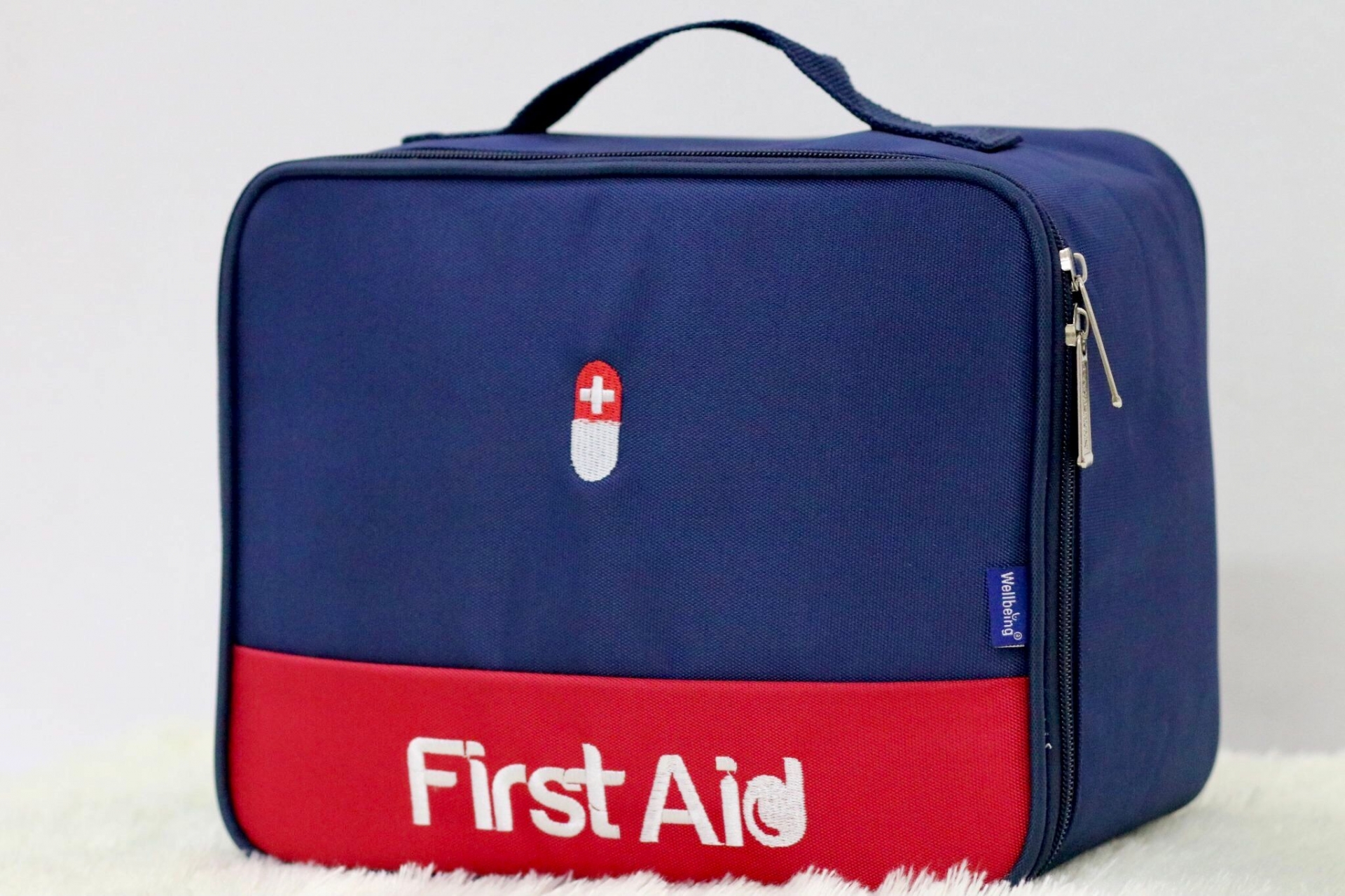
The first aid kit is not a treatment solution but a tool to stabilize the condition and prevent complications before specialized medical support arrives, which is crucial in the context where many schools do not have medical personnel on duty 24/7.
3. AED Machines and the Modernization Trend of School Health
If the first aid kit is the foundation, the AED (Automated External Defibrillator) is the important step helping school health approach international safety standards. This is a device capable of saving victims in cases of sudden cardiac arrest, a dangerous situation that can happen without warning signs.
The special feature of the AED is its ability to automatically analyze the heart rhythm and guide the user through voice prompts, helping even those without medical expertise to operate it correctly. In the "golden window" of 4 to 6 minutes, using an AED combined with cardiopulmonary resuscitation (CPR) can significantly increase the survival rate.
Introducing AEDs into the school health system not only protects students but also ensures the safety of teachers, staff, and the entire school community. This is also a trend being applied by many developed countries to elevate school safety standards.
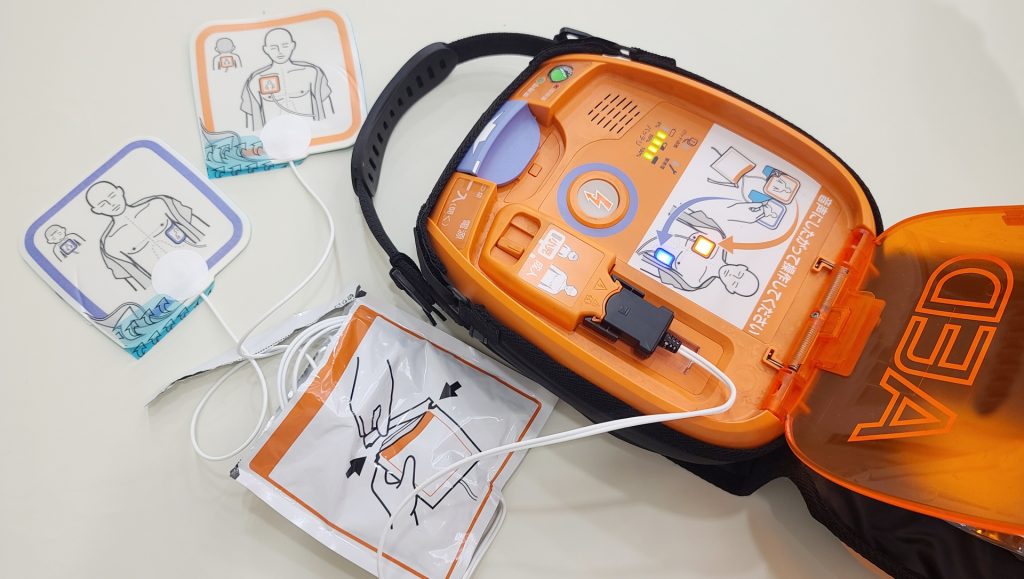
(When integrated into school health, the AED is not just a device but a tool that prolongs the chance of life.)
4. Health Monitoring Equipment - Enhancing the Disease Prevention Role in School Health
A common limitation of school health is focusing on incident response without paying adequate attention to disease prevention. Meanwhile, issues such as myopia, obesity, scoliosis, and blood pressure disorders are increasingly rising among students. Schools need to be equipped with health monitoring devices such as:
-
Blood pressure monitors
-
Thermometers
-
Scales and height measuring tapes
-
Vision test charts
Periodic health monitoring helps schools detect abnormal signs in students early, thereby providing timely and appropriate interventions. At the same time, this process creates a basis to strengthen coordination with families in long-term health care and monitoring for children. At a higher level, this is an important transition from a reactive health model to a preventive health model in schools.
5. Optimizing School Health Effectiveness Through Training and Practice
An effective school health system cannot just stop at equipping devices. The situational handling skills of humans play a decisive role in maximizing the effectiveness of medical equipment.
Organizing training programs, first aid workshops, or AED usage instructions will help teachers and students enhance their practical response capabilities. When fully equipped with knowledge and skills, every individual in the school can become an "important link" in the safety system.
6. Comprehensive Solutions from Wellbeing for School Health
To enhance school health quality, Wellbeing provides a comprehensive ecosystem of solutions, combining equipment and practical training.
Products such as AED machines and first aid kits are designed according to medical standards, are easy to use, and are suitable for the educational environment. Simultaneously, workshops and training programs help learners not only understand but also proficiently practice in real-life situations. This approach helps school health not just stop at "meeting standards" but also aim for practical effectiveness and long-term sustainability.
In the current context, school health needs to be recognized as an inseparable part of educational quality. Fully equipping devices, especially modern solutions like AEDs, combined with skills training, will help schools be more proactive in all situations.
A complete school health system not only protects student health but also contributes to building a safe, humane, and sustainably developing school environment.
Comments:
There are no comment for this news.

.png)
.png)