 Tiếng anh
 Vietnam
School Safety Equipment That Needs to be Equipped
In an educational environment, ensuring the safety of students does not stop at regulations or supervision; it depends directly on the on-site safety equipment system. Reality shows that many accidents and health incidents happen suddenly in schools, such as fainting, cardiac arrest, trauma, burns, and airway obstructions. Without appropriately equipped school safety equipment, initial handling will be delayed, increasing the level of danger.
1. The Role of Safety Equipment in Schools
In the school environment, safety equipment acts as direct support for handling unexpected situations. When students encounter incidents like falls, bleeding, fainting, or sudden health issues, people nearby need tools to intervene immediately. Without the necessary school safety equipment, the response will be slow or incorrect.
Reality shows that most school accidents occur rapidly and without warning signs. The initial handling time is usually very short. During this window, having the right equipment available helps responders perform basic correct actions, such as stopping bleeding, immobilizing injuries, or supporting respiration. These are necessary steps before taking the student to a medical facility.
Among common student injuries, many cases are not serious if handled correctly from the start. For example, a bleeding wound can be controlled with clean gauze; a sprain can be reduced in swelling with a cold pack. Without equipment, responders may easily resort to unsafe substitutes, increasing the risk of infection or worsening the condition.
A school first aid kit is basic equipment needed to handle common situations. When fully prepared, this kit facilitates quick actions like bandaging, disinfecting, and protecting wounds. Users do not need complex skills; they simply follow basic instructions.
In addition, some more severe situations like cardiac arrest require specialized equipment like an AED. This device can help restore a heart rhythm while waiting for an ambulance. Equipping such devices increases on-site handling capabilities in dangerous situations.
An important point is that equipment must be placed in a visible, easily accessible location and always be in a ready-to-use state. If the equipment exists but its location is unknown or it is unusable, it holds no practical value. Therefore, regarding school safety and necessary equipment, proper placement and periodic inspections are just as important as the equipping itself.
In summary, school safety equipment enables non-professionals to provide proper initial handling. When adequately equipped with necessary school safety equipment, responding to incidents becomes faster, reducing risks and providing effective support before specialized medical intervention arrives.
2. Some School Safety Equipment That Needs to be Equipped
Within the safety equipment system, some items must be prioritized because they directly relate to life-saving capabilities in emergencies. Alongside these are basic devices to handle common injuries. Clearly understanding the function and usage of each item helps enhance the effectiveness of the equipped school safety equipment.
AED Machine - Priority Equipment in Cardiac Arrest Emergencies
An AED is an automated external defibrillator used in cases where a victim suffers sudden cardiac arrest. This is a dangerous situation that can happen in schools, though not common. When the heart stops, every passing minute without intervention reduces the chance of survival.
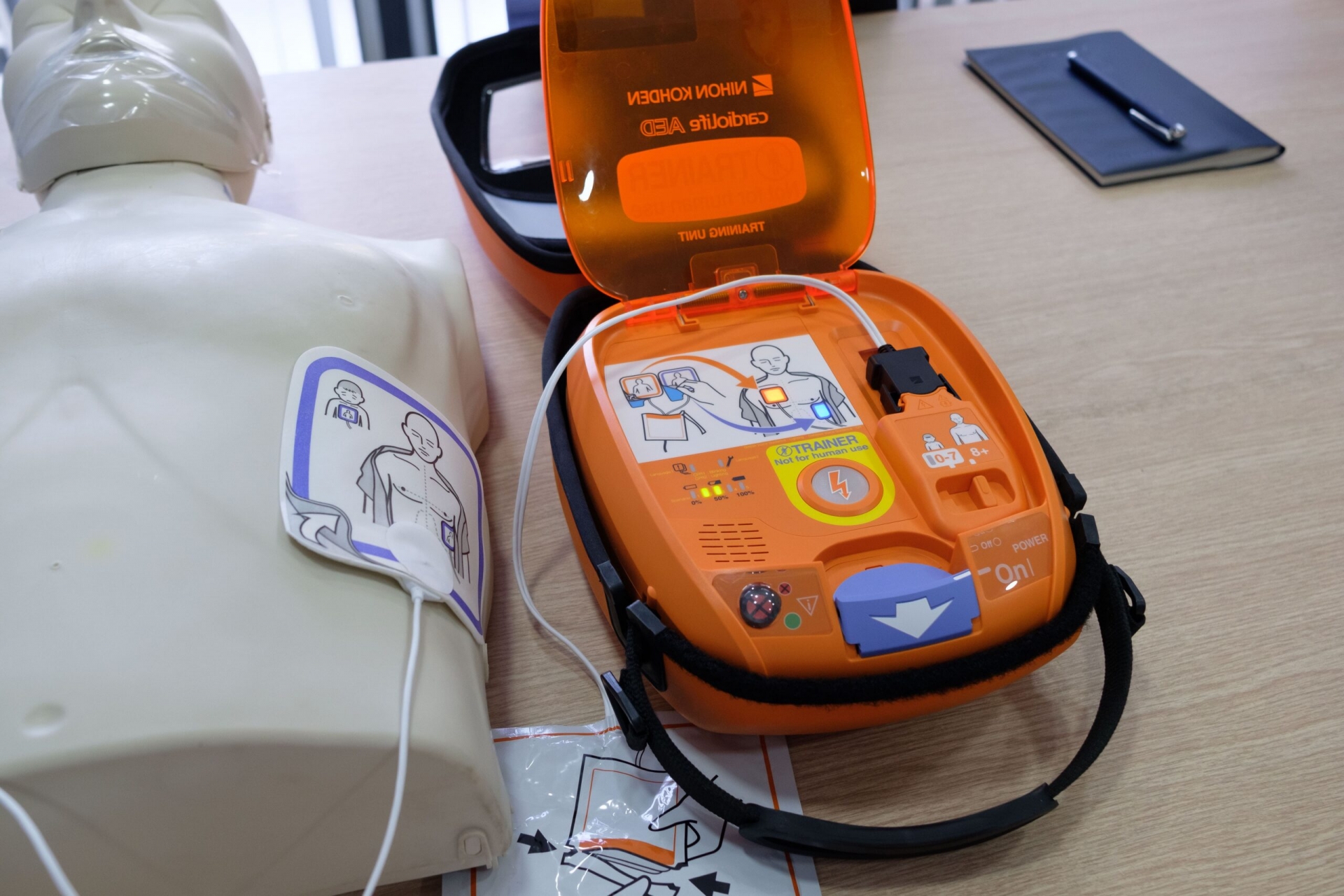
(The AED is considered the most critical device in the most dangerous situations, such as a student suffering sudden cardiac arrest due to underlying conditions or during physical activities.)
In reality, it is difficult for bystanders to handle this using only manual methods. The AED solves this problem by automatically analyzing the heart rhythm and providing specific instructions. When using it, the responder simply turns on the machine, attaches the electrode pads as directed, and follows the voice prompts. The device determines whether a shock is needed.
A key point of the AED is that it can be used by non-professionals. The device is designed simply to minimize operational errors. When included in the list of required school safety equipment, an AED increases the ability to handle cardiac arrest cases promptly before the emergency team arrives.
To use it effectively, the machine must be placed in an accessible location, clearly marked, and inspected periodically. Furthermore, teachers and staff need basic training so they aren't confused when using it.
School First Aid Kit
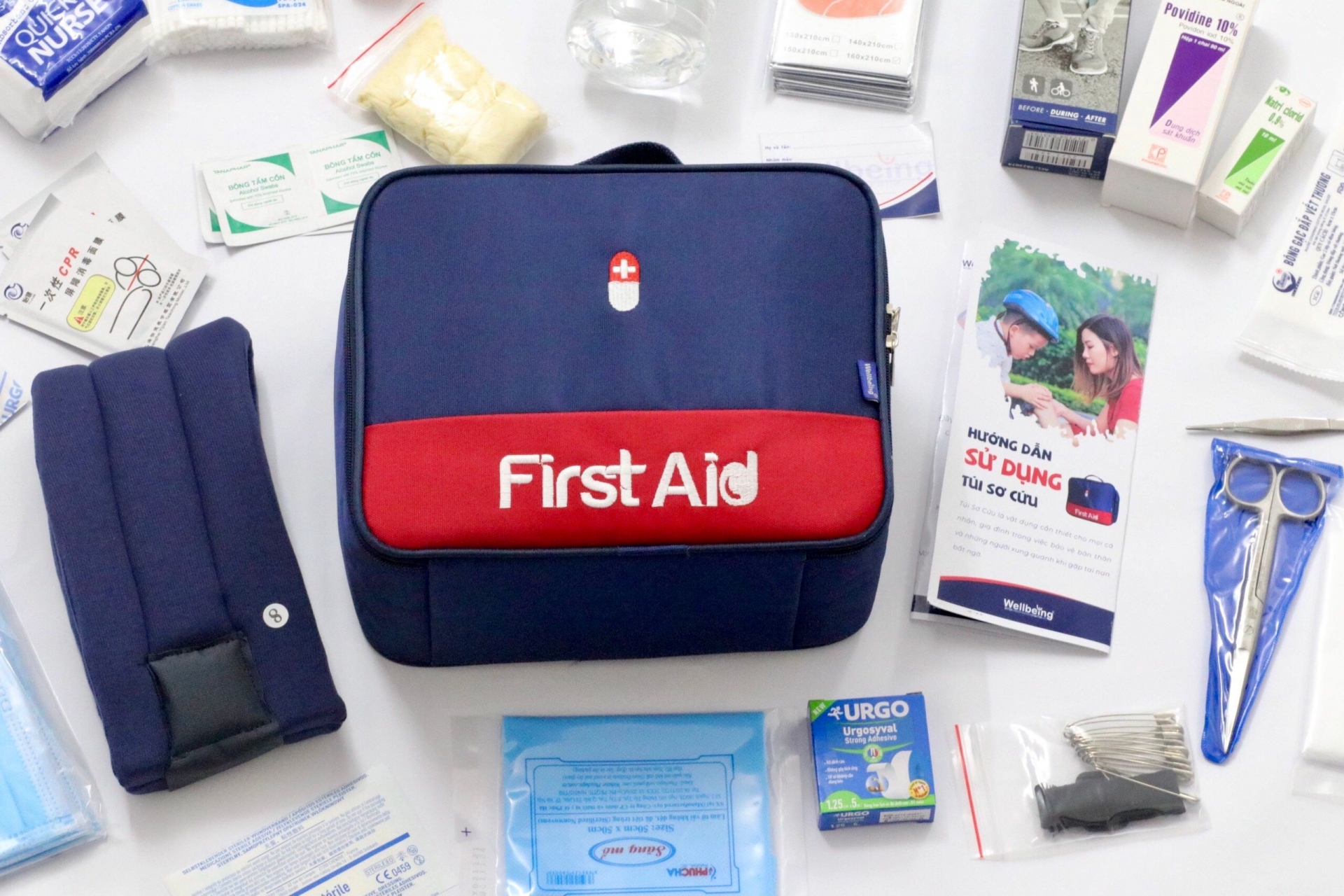
The school first aid kit is basic equipment serving to handle common situations like scratches, bleeding, and sprains. This equipment must be available in every school, always ready for use with bandages, gauze, antiseptic solutions, and medical scissors.
Similarly, Wellbeing's Car & Motorcycle Version First Aid Kit is designed to be compact, fitting perfectly in a car glove box or motorcycle trunk, making it very convenient for long trips, sports, or picnics. This versatile kit helps quickly handle scratches, cuts, sprains, and minor fractures. Notably, the bag also contains a thermal foil blanket and a signal whistle for emergencies or sudden cold exposure. Thanks to its compactness and full functionality, Wellbeing helps you remain proactive in responding to unexpected accidents, limiting infection, and controlling the initial situation with simple actions.
Injury Immobilization Splints
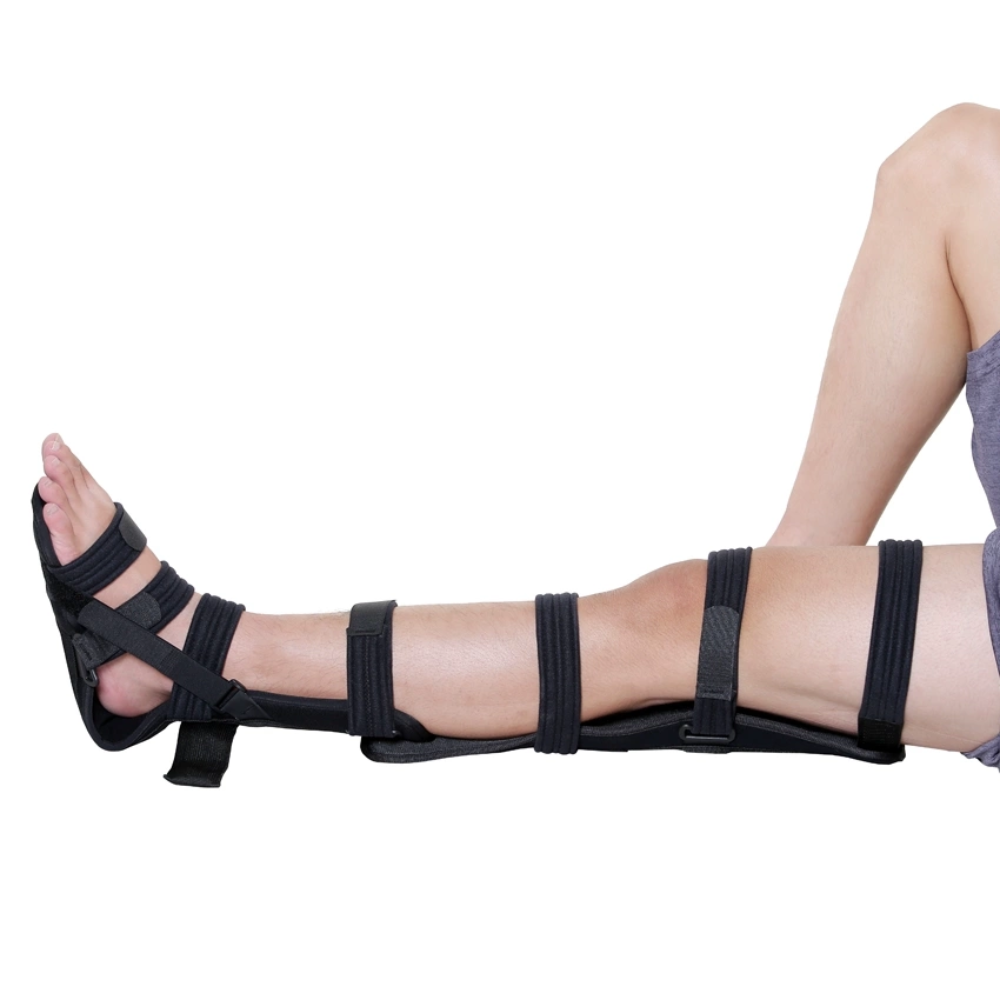
Immobilization splints are used in cases of suspected broken bones or limb injuries. The purpose is to keep the injured area in place, preventing movement that causes pain and worsens the condition.
When using a splint, it must be secured firmly but not too tightly to avoid obstructing blood circulation. After immobilization, the victim must be transferred to a medical facility for further examination and treatment. Having splints available in the school safety equipment list ensures the safe handling of injuries occurring during physical education or daily activities.
Cold Packs
Cold packs are used to reduce swelling and pain in cases of impacts, sprains, or soft tissue injuries. This is a simple device but has obvious effectiveness if used at the right time.
When using, the cold pack should be wrapped in a thin cloth before placing it on the skin to avoid irritation. Application should be done in short intervals and repeated if necessary. The cold pack is an important support tool in the school safety and necessary equipment group, especially during physical activities.

Thermometers and Basic Monitoring Tools
A thermometer helps check for fever, supporting a quick health assessment of the student when abnormal signs appear. This is simple but necessary equipment for initial monitoring.
Besides a thermometer, items like masks and gloves should also be equipped to ensure safety when contacting a victim. These items help limit transmission and protect the responder.
Fully equipping the above items helps perfect the school safety equipment system. When used correctly, these devices effectively support handling situations from mild to severe, contributing to elevated school safety quality and practical necessary equipment.
3. Equipping Safety Equipment Linked with Skills Training
Required school safety equipment is only effective when users know how to operate it. Without specific instructions, when an incident occurs, teachers or staff easily become confused, act slowly, or make mistakes.
For the AED machine, training content needs to focus on basic steps like turning on the machine, attaching the electrodes, and following voice prompts. The device is designed simply, but users still need prior practice to familiarize themselves with the operation. Once they have practical experience, their reaction in an emergency will be faster and more accurate.
For the school first aid kit, guidance is needed on commonly used skills like stopping bleeding, bandaging, handling open wounds, and supporting minor injuries. These actions occur frequently in a school environment. As long as they know the correct method, non-professionals can still handle things safely.
Training content should stick to real-life scenarios in schools. For example, handling a student who falls while playing, suffers a collision causing bleeding, or shows signs of fainting. When linked to specific scenarios, learners will find it easier to visualize and apply. Besides teachers and medical staff, students should also access basic knowledge. This raises awareness about school safety and necessary equipment while creating initial reflexes when encountering an incident.
Training needs to be organized periodically, not done once and stopped. Skills are easily forgotten if not reiterated.
Training must be organized periodically to maintain skills. If not reviewed, procedures easily become forgotten or inaccurate. A combination of brief theoretical instruction and hands-on practice can increase effectiveness. Additionally, brief usage instructions should be placed right where the equipment is located. The area housing the AED needs clear signage. The school first aid kit should have a checklist and basic usage instructions so users can quickly refer to them when needed.
The school also needs to assign specific personnel in charge of each area. When an incident occurs, clearly identifying the responder saves time and avoids waiting. When correctly combining safety equipment with usage skills, on-site handling capabilities will improve significantly. This is a crucial factor helping to reduce the severity of incidents in schools.
Comments:
There are no comment for this news.

.png)
.png)