 Tiếng anh
 Vietnam
7 Critical Precautions When Using an AED | Wellbeing
Do not be complacent in thinking that simply knowing the theory of first aid or having practiced with an Automated External Defibrillator (AED) is enough. In a real-life emergency, the high-pressure environment can make it incredibly difficult to remain calm and perform procedures with absolute precision.
Preparation for the unexpected is essential. This article outlines 7 critical precautions when using an AED in combination with Cardiopulmonary Resuscitation (CPR) for victims of sudden cardiac arrest.
Dr. Hoang Van Cuong | First Aid Project Trainer - "Fast First Aid - Saving Lives" Project Wellbeing Health Education Organization
Do not be complacent in thinking that simply knowing the theory of first aid or having practiced with an Automated External Defibrillator (AED) is enough. In a real-life emergency, the high-pressure environment can make it incredibly difficult to remain calm and perform procedures with absolute precision. Preparation for the unexpected is essential. This article outlines 7 critical precautions when using an AED in combination with Cardiopulmonary Resuscitation (CPR) for victims of sudden cardiac arrest.
1. Always remember: Perform CPR Immediately!
Every minute that passes without intervention reduces the victim's chance of survival by 7% to 10%. Therefore, you must perform CPR immediately to maintain blood flow and oxygen delivery to the body.
Do not waste time searching for an AED yourself if you are alone. If there are bystanders, continue CPR and instruct them to locate and retrieve the device for you.
2. Beware of "AED Trainer" Units
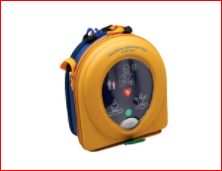
AED Trainers are devices manufactured solely for educational and training purposes. While their external appearance, interface, and operational prompts closely mimic real AEDs, their functions are significantly stripped down. Most importantly, an AED Trainer cannot deliver a shock.
Using a training unit on a real cardiac arrest victim will be completely ineffective.
-
Action: Check the labels on the device casing carefully. Training units will be clearly marked as "Training Use Only" or "Not for Clinical Use," whereas real clinical AEDs will not have these disclaimers.
3. Check the AED's Shock Count / Battery Cycle
An AED battery is designed to deliver a specific number of shocks. For example, the Philips HeartStart HS1 battery has a capacity of up to 200 shocks per cycle. If an AED has exceeded this limit, the remaining battery power may be insufficient for effective operation.
If the machine is inoperable due to battery depletion:
-
Focus solely on CPR.
-
Do not abandon the victim to search for another machine if you are alone, as this wastes critical life-saving time.
-
Only send someone else to look for a replacement AED if you have support.
4. When Was the Battery Last Replaced?
As mentioned regarding shock cycles, batteries also lose charge over time due to self-discharge. Low battery power can significantly slow down the machine's heart rhythm analysis speed.
Manufacturers require that every battery replacement be accompanied by a label clearly indicating the installation or expiration date. This allows users to assess the device's readiness.
-
Recommendation: The standard shelf life for many AED batteries is 5 years from the date of installation.
5. Pediatric vs. Adult Electrodes
The energy level required for a defibrillation shock differs significantly between adults and children (children aged 1-8 or weighing under 25 kg). Shock energy is calculated based on body weight. Additionally, electrode pad placement differs for pediatric patients.
Ensure you are using the correct pads or mode:
-
Note: Some modern AEDs use the same pads for both adults and children but feature a "Pediatric Key" or toggle switch. Make sure to switch the device to the appropriate mode for the victim before proceeding.
6. Optimize Victim Conditions for Device Efficiency
There are several physical factors regarding the victim that you might overlook in the heat of the moment. Ensure the following before applying pads:
-
Remove metal objects: Remove watches, leather belts with buckles, bracelets, necklaces, and mobile phones. These can interfere with the AED's analysis and the shock delivery path.
-
Shave excessive chest hair: If the victim has a hairy chest that prevents the pads from adhering securely, quickly shave the area (most AED kits include a razor) before application.
-
Dry the skin: Sweat or water conducts electricity away from the heart and across the skin surface, reducing shock effectiveness. If the victim is sweaty or was pulled from water, wipe their chest dry immediately.
7. DO NOT TOUCH the Victim During Analysis or Shock
The AED will cycle between analyzing heart rhythm and delivering a shock. Safety is paramount:
-
During Analysis: Touching the victim can cause motion artifacts, leading to incorrect analysis results by the machine.
-
During Shock: The high-voltage current delivered by the AED can stop a beating heart. If a healthy rescuer is touching the victim when the shock is delivered, they risk suffering a cardiac arrest themselves. Always yell "Stand Clear!"
Comments:
There are no comment for this news.

.png)
.png)