 Tiếng anh
 Vietnam
Correct AED Electrode Pad Placement: A Comprehensive Guide | Wellbeing
AED stands for Automated External Defibrillator. While modern AEDs are designed to automatically analyze heart rhythms and provide voice prompts to the rescuer, they cannot physically place the pads for you.
Incorrect pad placement can reduce the effectiveness of the shock. Depending on the victim's age, size, and specific medical conditions, the placement of the electrode pads may vary. This article guides you through the correct procedures.
Dr. Hoang Van Cuong | "Fast First Aid - Saving Lives" Project Wellbeing Health Education Organization
AED stands for Automated External Defibrillator. While modern AEDs are designed to automatically analyze heart rhythms and provide voice prompts to the rescuer, they cannot physically place the pads for you. Incorrect pad placement can reduce the effectiveness of the shock. Depending on the victim's age, size, and specific medical conditions, the placement of the electrode pads varies significantly.
1. Standard Placement for Adults
For adults of any gender, the standard procedure utilizes the Anterior-Lateral placement to ensure the electrical current passes directly through the heart. The first electrode pad should be placed on the upper right side of the chest, located directly below the collarbone (clavicle) and to the right of the breastbone. The second pad is applied to the lower left side of the rib cage, slightly below the armpit area.
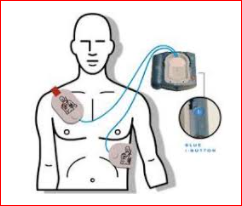
2. Placement for Children

The British Safety Council advises caution when using AEDs on pediatric patients, specifically children aged 1 to 8 years or weighing under 25kg. For this demographic, rescuers should utilize pediatric-specific pads or switch the device to pediatric mode.
Due to the smaller surface area of a child's chest, placing both pads on the front may cause them to touch and short-circuit. Therefore, the Anterior-Posterior placement is recommended: attach one pad to the center of the chest (directly on the sternum) and the other to the center of the back, between the shoulder blades.
3. Adjustments for Special Circumstances
Handling Medication Patches and Physical Obstructions To ensure proper adhesion and conductivity, the skin must be prepared. Do not place electrode pads over transdermal medication patches (such as nitroglycerin, nicotine, or pain relief patches) as they can block energy delivery and cause skin burns. These should be removed with a gloved hand and the area wiped clean. Similarly, physical barriers like excessive chest hair or moisture (sweat, water) must be addressed immediately; shave the area if necessary and ensure the chest is wiped dry before application.
Implanted Devices and Jewelry Rescuers must check for implanted medical devices, such as pacemakers or Implantable Cardioverter Defibrillators (ICDs), often identifiable by a small surgical scar or a lump on the upper chest. If present, place the electrode pad at least 2.5 cm (1 inch) away from the device; never place it directly over the implant. If the ICD is actively delivering treatment (visible muscle contractions), wait 30 to 60 seconds for the cycle to finish before using the AED. Additionally, metallic jewelry such as necklaces or nipple piercings should be removed or moved at least 2.5 cm away from the pads to prevent burns.
Trauma and Pregnancy In cases where the standard placement site is compromised by trauma or open wounds, rescuers may utilize alternative positions, such as the bi-axillary placement (high on the right and left sides of the chest), ensuring pads are not placed over damaged tissue. Regarding pregnancy, there is no evidence suggesting AED use harms the fetus; therefore, standard adult placement should be used without hesitation to save the mother's life.
Comments:
There are no comment for this news.

.png)
.png)