 Tiếng anh
 Vietnam
First Aid and CPR on Ships: Mandatory Skills for the Crew
Maritime safety is not limited to collision prevention or technical incidents. Protecting human life is the central element in the entire maritime safety management system. In the context of being far from the mainland, the crew is the first response force, directly handling emergency medical situations before specialized support is available. Therefore, first aid and CPR (cardiopulmonary resuscitation) skills are not just a training requirement but a mandatory competency for the crew to ensure maritime safety and protect human lives at sea.
1. Why are First Aid and CPR (Cardiopulmonary Resuscitation) Particularly Important in Maritime Safety?
Unlike land-based environments, where ambulances and medical teams can reach a scene within minutes, medical incidents at sea occur in a completely different context: geographical isolation and resource limitations. When a serious occupational accident or a heart attack occurs on a ship or offshore rig, the time required to transport the victim to shore can extend to many hours or even days, depending on weather conditions and the vessel's location. Therefore, the first aid and CPR skills of the crew play a decisive role in sustaining initial life and reducing the severity of complications.
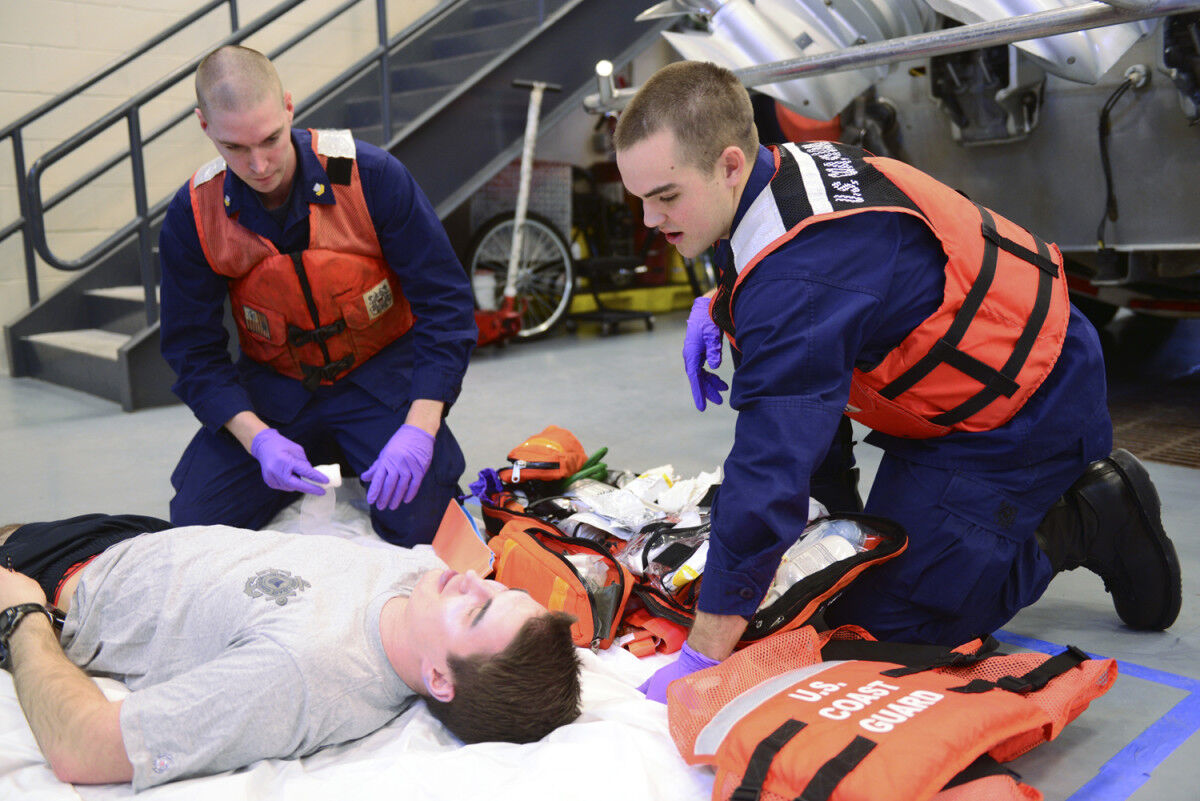
Why are first aid and CPR particularly important in maritime safety?
Maritime safety involves more than just preventing collisions, explosions, or technical failures; it includes protecting the health and lives of seafarers. Occupational accidents at sea often stem from common causes such as slips, impacts, electric shocks, gas asphyxiation, burns, or injuries from mechanical equipment. In many cases, a victim may fall into a state of cardiac arrest, respiratory arrest, or unconsciousness before receiving specialized medical support. CPR is a resuscitation measure aimed at maintaining blood circulation and providing oxygen to the brain while waiting for medical help. If not performed within the first few minutes, the risk of permanent brain damage or death is extremely high.
2. Situations Requiring First Aid and CPR on Ships and Offshore
In maritime and offshore operations, the following incidents pose a direct risk of cardiac or respiratory arrest, requiring first aid and CPR skills to be deployed immediately at the scene.
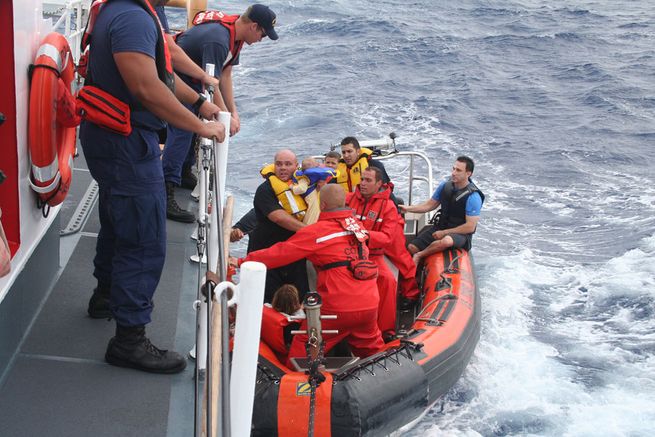
Situations requiring first aid and CPR on ships and offshore.
2.1. Cardiac and Respiratory Arrest:
These can occur due to myocardial infarction (heart attack), stroke, electric shock, drowning, or severe trauma. When the heart stops pumping blood, the brain is no longer supplied with oxygen. In the context of maritime safety, this is the most critical situation because medical access time is limited.
2.2. Drowning: Often related to falling overboard or accidents while working on deck in rough seas. A victim may inhale seawater, leading to respiratory failure and subsequent cardiac arrest. Once brought back on board, an assessment of breathing and circulation must be performed immediately. If there is no breath or pulse, CPR must begin at once.
2.3. Electric Shock: This can occur from electrical systems, machinery, or high-capacity equipment on board. An electric current passing through the body can cause cardiac arrhythmia or complete cardiac arrest. After cutting the power source and securing the area, an immediate check of consciousness and breathing is mandatory.
2.4. Severe Trauma: Major injuries from falling from heights, falling heavy objects, machine entanglement, or heavy impacts can lead to traumatic shock, significant blood loss, or secondary respiratory failure. Controlling bleeding, immobilizing the injured area, and monitoring respiration are necessary steps to maintain safety before performing CPR if signs of circulatory arrest appear.
2.5. Gas Asphyxiation: Asphyxiation in confined spaces like cargo holds, engine rooms, or oil tanks is a specific hazard in maritime safety. A lack of oxygen or the presence of toxic gases can cause a victim to lose consciousness and stop breathing quickly. After moving the victim out of the danger zone and ensuring the rescuer's safety, breathing must be checked immediately.
2.6. Hypothermia: This can occur after a long period of immersion in the sea. A deep drop in body temperature disrupts heart rhythm and circulation, potentially leading to cardiac arrest. Warming the body while monitoring breathing and circulation is essential.
3. First Aid and CPR Procedures in a Maritime Environment
In maritime safety, first aid and CPR operations on ships and offshore rigs are essential crew skills for protecting lives at the scene. In environments far from the mainland, where the time to reach a medical facility can be prolonged, responding correctly in the first few minutes is decisive.
Wellbeing is a specialized training unit for safety and healthcare skills in specific working environments such as ships and offshore. Wellbeing’s training programs focus on practical application, simulating emergency situations close to actual sea operating conditions.
3.1. Initial First Aid Procedure
-
Step 1: Ensure Scene Safety: Observe the surroundings to ensure there are no remaining hazards such as operating equipment, fuel leaks, exposed electricity, slippery floors, or oxygen-deficient confined spaces.
-
Step 2: Check Victim Response: Call out loudly and gently tap the shoulders to determine the level of alertness. If there is no response, treat it as an emergency.
-
Step 3: Assess Breathing and Circulation: Observe the chest, listen, and feel for breath for a few seconds. If the victim is unresponsive and not breathing (or only gasping), CPR must be initiated immediately.
3.2. Cardiopulmonary Resuscitation (CPR) Procedure
CPR involves chest compressions combined with rescue breaths as follows:
Step 1: Determine Compression Position:
- Use two fingers to move along the lower edge of the victim's ribs on both sides toward the center of the chest. The intersection point is the tip of the sternum (xiphoid process).
- Place the heel of one hand next to the tip of the sternum. Place the other hand on top and interlace the fingers.
Step 2: Determine Compression Posture:
- Kneel beside the victim with legs shoulder-width apart.
- Keep shoulders, elbows, and wrists in a straight line perpendicular to the victim's chest.
Step 3: Perform Chest Compressions:
- Press down so the chest is compressed by 5–6 cm.
- Perform 30 compressions at a rate of 100–120 times per minute.
Step 4: Rescue Breaths:
- Tilt the hed, lift the chin, and pinch the victim's nose.
- Take a deep breath, seal your mouth over the victim's mouth, and blow firmly.
- Provide 2 rescue breaths.
Step 5: Cycle:
Repeat the cycle of 30 compressions and 2 breaths until the victim regains consciousness, medical personnel arrive, or the rescuer is exhausted.
Maritime safety is only truly effective when every member on board recognizes their responsibility. In maritime and offshore environments, the crew is the first line of defense for human life.
Comments:
There are no comment for this news.

.png)
.png)