 Tiếng anh
 Vietnam
CPR & AED Training in Hoi An
In the context of Hoi An's strong development in tourism and services, the need to participate in first aid courses is becoming increasingly urgent, especially for specialized skills like cardiopulmonary resuscitation (CPR) and the use of automated external defibrillators (AEDs). This is not just advanced training content but a decisive survival factor in sudden cardiac arrest cases—situations that can happen at hotels, restaurants, beaches, or public spaces.
The article below will help you clearly understand the role of CPR and AEDs.
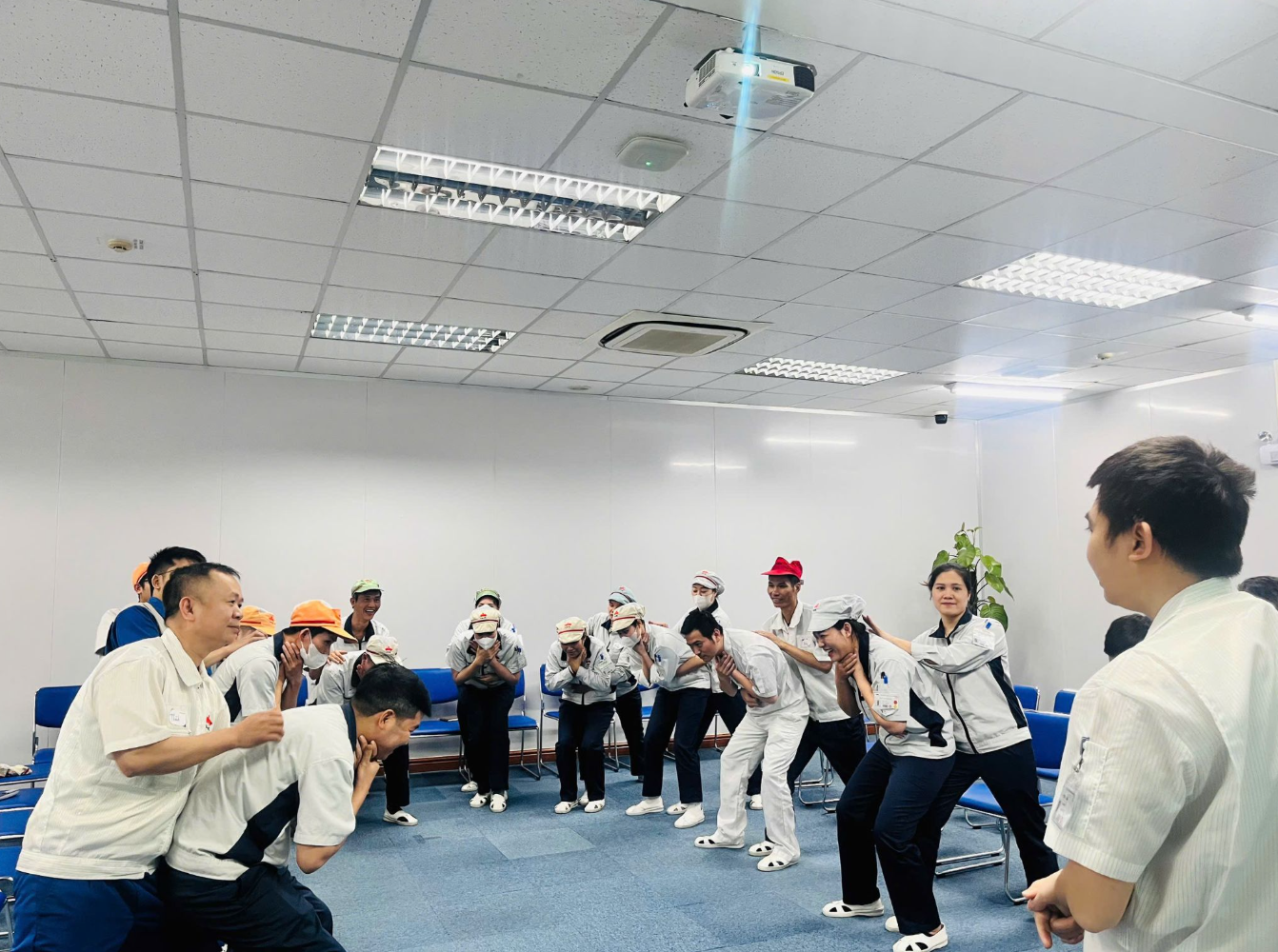
Wellbeing doctors provide direct first aid skills instruction to trainees.
1. CPR and AED: The "Survival Keys" in Modern First Aid
Sudden Cardiac Arrest (SCA) is a leading cause of death that can happen to anyone, even those with no prior medical history. When the heart stops beating, the brain begins to suffer damage after only 4-6 minutes if there is no timely intervention. This is the exact "golden window" that first aid courses focus on training for.
CPR (Cardiopulmonary Resuscitation) is the technique of external chest compressions combined with rescue breathing to maintain blood circulation and temporarily supply oxygen to the brain. However, in many cases, CPR alone is not enough to restore the heart rhythm. At this point, the AED plays a key role as it can analyze the heart rhythm and deliver an electric shock to re-establish cardiac activity.
Combining high-quality CPR and the use of an AED in the first 3-5 minutes can increase the survival rate up to 70%. This is why modern first aid courses no longer separate these two skills but train them as an integrated, complete procedure.
2. Why Do Businesses in Hoi An Need CPR + AED Training?
Hoi An is an international tourist center with a high density of visitors and diverse working environments ranging from hotels and resorts to restaurants and amusement parks. This entails the risk of medical emergencies such as strokes, cardiac arrests, and daily accidents.
For businesses, implementing a first aid course that integrates CPR and AED is not only a solution to protect people but also carries strategic significance:
-
Ensuring safety for tourists and staff: Rapid response helps minimize the risk of on-site fatalities.
-
Complying with occupational safety regulations: Meeting first aid training requirements according to the law.
-
Enhancing corporate image: An organization with a well-trained team builds great trust with customers, especially international guests.
-
Minimizing risk costs: Proper intervention from the start helps limit severe consequences and incurred costs.
In the context of increasingly high service competition, investing in CPR and AED training through first aid courses is an investment in operational quality and brand reputation.
3. CPR + AED Training Content in Wellbeing's First Aid Course
Wellbeing's training program in Hoi An is built with a practical approach, focusing on trainees' reflexes and accurate operations.
3.1. Victim Approach and Assessment Procedures
Trainees are guided on how to ensure scene safety, check for consciousness and breathing, and activate the emergency system. This is a foundational step that helps avoid common mistakes when handling real-life situations.
3.2. Cardiopulmonary Resuscitation (CPR) Techniques
The content delves into correct chest compression techniques regarding hand placement, depth, and rate (100-120 compressions/minute), combined with rescue breaths at the standard ratio. Trainees practice continuously on mannequins to form basic reflexes.
3.3. Correct AED Usage Procedures
The course provides detailed instructions on how to turn on the device, attach the electrodes, follow the machine's voice prompts, and ensure safety during the electric shock. Getting familiar with the AED helps trainees confidently use the device in real situations.
3.4. Coordinating CPR and AED in Real-life Scenarios
Trainees participate in simulated situations such as a cardiac arrest at the workplace, hotel, or tourist area, thereby practicing teamwork and handling time pressure. At Wellbeing, practical training accounts for up to 70%, ensuring trainees not only "know" but can truly "do."
4. Benefits of Participating in the CPR + AED First Aid Course at Wellbeing
Wellbeing has been a pioneering unit in first aid training in Vietnam since 2014, accompanying hundreds of thousands of trainees from businesses, international organizations, and schools.
When participating in the first aid course in Hoi An, trainees will receive:
-
Training by highly qualified doctors: 100% graduating from top Medical Universities.
-
Internationally standardized equipment: Practice mannequins with compression feedback meeting American Heart Association (AHA) standards.
-
Modern learning methods: Learner-centered, enhancing practical experiences.
-
Valid certification: Issued according to the regulations of the Ministry of Home Affairs and the Ministry of Health.
-
On-site corporate training: Flexible deployment right at hotels, resorts, or offices.
Not just stopping at issuing certificates, the course aims to help each trainee become a "safety link" in the community.
5. Who Should Take the CPR + AED First Aid Course?
The program is suitable for many target groups, especially:
-
Hotel, resort, and restaurant staff
-
Tour guides and service staff
-
Teachers and school staff
-
Office workers and business managers
-
Parents and childcare providers
In an environment with many interactions and potential risks, participating in a first aid course is no longer an option but is gradually becoming an essential skill.
CPR and AED training is a significant step forward in elevating the quality of first aid courses in Hoi An. Not only does it increase the victim's chance of survival in the first few minutes, but the program also contributes to building a safer and more professional living and working environment.
With its experience and systematic training system, Wellbeing is playing a crucial role in spreading first aid skills in the Central region. Participating in the course is not just about equipping yourself with knowledge, but also a practical action to protect yourself and those around you.
Comments:
There are no comment for this news.



.png)
.png)