 Tiếng anh
 Vietnam
Guide to Using the NT-381.C AED
An Automated External Defibrillator (AED) is a crucial device in sudden cardiac arrest emergencies. Using the device correctly in the first few minutes can help restore the heart rhythm and significantly increase the victim's chance of survival. Among current AED models, the NT-381.C AED is highly rated for its smart design, ease of use, and suitability for deployment in various environments such as schools, offices, shopping malls, or public areas.
The article below will provide a detailed guide to using the NT-381.C AED, helping you clearly understand how to operate the device as well as important notes to ensure safety during emergencies.
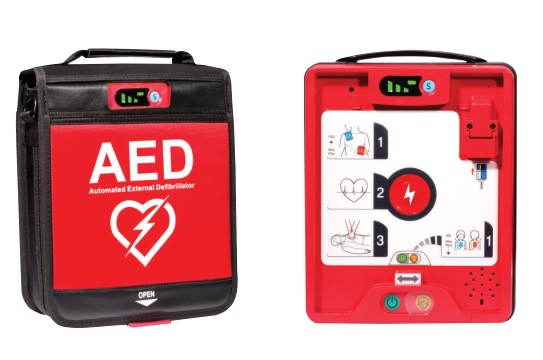 The NT-381.C AED (Heart+ResQ™) features a compact design, an intuitive interface, and clear operational instructions, helping users quickly perform defibrillation in the event of sudden cardiac arrest.
1. Overview of the NT-381.C AED
The NT-381.C AED (Heart+ResQ™ NT-381.C) is an automated external defibrillator designed to support first aid in sudden cardiac arrest cases. The device functions to analyze the heart rhythm and deliver an electrical pulse when a dangerous arrhythmia, such as ventricular fibrillation or pulseless ventricular tachycardia, is detected.
A standout feature of the NT-381.C AED is its compact design, lightweight, and portability. The device is equipped with an intuitive interface and a voice guidance system, helping users perform each emergency step accurately even without medical expertise.
In addition, the machine integrates automatic heart rhythm analysis technology, helping to determine whether the victim needs an electric shock. This ensures safety, avoids unnecessary shocks, and minimizes risks for the user.
Thanks to these advantages, the NT-381.C AED is considered an effective life-saving solution, suitable for equipping in communities and crowded areas.
2. Structure and Included Accessories of the NT-381.C AED
To support a quick and effective emergency process, the NT-381.C AED is designed with an optimal structure and necessary included accessories.
-
Main Body: The central part of the device, integrating a clear display screen and simple control buttons. Thanks to a user-friendly design, even those who have never used an AED can operate it quickly in an emergency. Furthermore, the device features a voice guidance system that helps users accurately perform each first aid step.
-
Single-Use Electrode Pads: An important accessory included with the NT-381.C AED. This is the part that makes direct contact with the victim's skin and is responsible for transmitting the electrical current to the heart to perform defibrillation. After each use, the pads must be replaced with new ones to ensure hygiene and electrical conductivity.
-
Battery: The device's power source is a non-rechargeable lithium battery capable of providing at least 180 shocks. This ensures the machine is always ready for operation over a long period without requiring frequent maintenance.
-
Protective Case & Manual: The product comes with a specialized protective carrying case, helping to store the device safely and avoid impacts during transport. Inside the case, there is usually a user manual, helping users quickly familiarize themselves with the NT-381.C AED before using it in a real-life situation.
3. Guide to Using the NT-381.C AED in Emergencies
Using the NT-381.C AED correctly can determine the victim's survival in the first few minutes after cardiac arrest occurs. Below are the 6 steps to use the machine according to the standard procedure, suitable even for non-professionals.
Step 1: Check the victim's condition
First, check if the victim is responsive and breathing normally. If the victim is unconscious, not breathing, or breathing abnormally, quickly call emergency services (115 in Vietnam) and prepare to use the NT-381.C AED. While waiting for the device to arrive, the rescuer should start Cardiopulmonary Resuscitation (CPR) to maintain blood circulation.
Step 2: Turn on the power
Press the power button to start the NT-381.C AED. Immediately after turning on, the machine will issue voice prompts to guide the user step-by-step. The user simply needs to listen and follow the device's instructions.
Step 3: Attach the electrode pads
Take the two electrode pads out of their protective pouch and apply them to the victim's chest in the exact locations instructed:
First pad: Place below the right collarbone.
Second pad: Place on the left side of the chest, below the armpit.
Ensure the pads make direct contact with the skin and are not covered by clothing or obstructions.
Step 4: Analyze the heart rhythm
After attaching the electrodes, the NT-381.C AED will automatically analyze the victim's heart rhythm. During this phase, ensure no one is touching the victim to avoid affecting the analysis results.
Step 5: Deliver an electric shock if needed
If the device determines the victim needs a shock, it will signal and instruct the user to press the shock button. Before doing so, ensure everyone stands clear of the victim to avoid the risk of electric shock.
Step 6: Continue CPR
After the shock, immediately resume chest compressions and rescue breathing (CPR). The NT-381.C AED will continue to instruct when to stop CPR to re-analyze the heart rhythm and repeat the cycle if necessary.
4. Important Notes When Using the NT-381.C AED
Although the NT-381.C AED is designed for simple use, users still need to keep a few important principles in mind to ensure safety.
-
Environmental Hazards: Do not use the device when the victim is lying on a metal surface or in a wet environment. In this case, move the victim to a dry and safe area before proceeding with the electric shock.
-
Do Not Touch: When the machine is analyzing the heart rhythm or preparing for a shock, absolutely do not touch the victim's body. Contact at this time can interfere with the analysis results or cause the rescuer to receive an electric shock.
-
Maintenance & Readiness: Another critical factor is ensuring the device is always in a ready-to-use state. The equipment manager should regularly check:
-
Battery status
-
Expiration date of the electrode pads
-
Warning screens or system errors
-
-
Placement: Placing the NT-381.C AED in highly visible and easily accessible locations such as building lobbies, corridors, or public areas will help shorten response times when an incident occurs.
The NT-381.C AED is a crucial life-saving device in sudden cardiac arrest cases. Thanks to its smart design, voice guidance, and automatic heart rhythm analysis capabilities, the device enables individuals without medical expertise to perform timely first aid.
Understanding the guide to using the NT-381.C AED and practicing CPR skills will help the community be ready to respond to emergencies, thereby increasing the victim's chance of survival in those critical first few minutes.
Comments:
There are no comment for this news.

.png)
.png)