 Tiếng anh
 Vietnam
Instructions for Using the AED NT-381C Defibrillator
The defibrillator is an indispensable device in sudden cardiac arrest emergencies. With the capability to rapidly restore heart rhythm, this device significantly increases a patient's chance of survival if used at the right time. Join Wellbeing in learning how to use this device to know how to handle emergency situations.
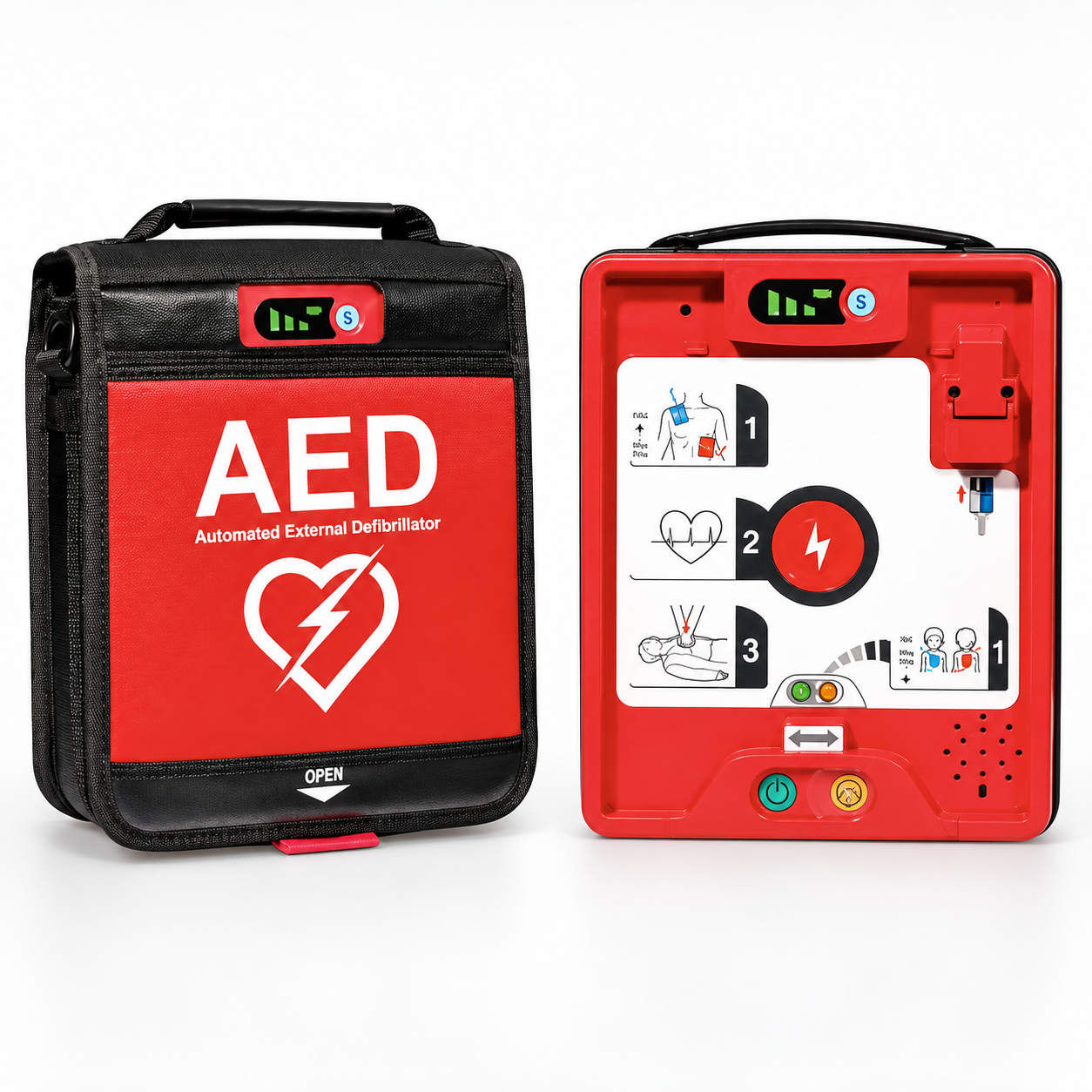
1. Overview of the Heart+ResQ™ NT-381.C Defibrillator
The Heart+ResQ™ NT-381.C is a line of Automated External Defibrillators (AED) designed to restore normal heart rhythm in patients suffering from sudden cardiac arrest. This device offers an effective life-saving solution, suitable for use in communities, schools, offices, shopping malls, and other public areas.
The highlight of the Heart+ResQ™ NT-381.C is its compact design and light weight, making it easy to hold and carry. Its user-friendly interface allows individuals without medical expertise to operate it easily during emergencies.
The device features detailed integrated voice prompts, guiding the user step-by-step from startup to pad attachment and shock delivery. This helps minimize errors and increases response speed for the rescuer. Additionally, the Heart+ResQ™ NT-381.C is equipped with smart features such as automatic heart rhythm analysis to determine if a shock is necessary, ensuring absolute safety during use.
2. Structure and Accessories of the Heart+ResQ™ NT-381.C
The Heart+ResQ™ NT-381.C defibrillator is optimally designed to support rapid and accurate cardiac arrest management.
- The main unit integrates a clear display screen and simple control buttons, allowing users to operate it easily in emergency situations. The device also includes voice guidance to assist with every step.
- One of the critical accompanying components is the disposable electrode pads, ensuring hygiene and effective transmission of electric current to the patient's heart. These parts contact the skin directly and must be replaced after each use.
- The device's energy source is a non-rechargeable lithium battery, capable of providing at least 180 shocks, ensuring the device is ready for operation for a long period without frequent maintenance.
- Additionally, the product comes with a specialized protective case to prevent impact damage during transport and storage. Inside, there is a detailed user manual, helping users easily familiarize themselves with and operate the machine correctly, even without prior medical training.
3. User Guide for Heart+ResQ™ 381C
Proper use of the Heart+ResQ™ 381C defibrillator can save the life of a cardiac arrest victim in the first few minutes. Below are the 6 steps to use this device according to a standard procedure that is easy for non-professionals to follow.
Step 1: Assess Patient Condition First
Check if the patient is unresponsive and not breathing normally. If there are signs of cardiac arrest, immediately call emergency services (115) and quickly retrieve the AED.
Step 2: Turn on Power
Press the power button to start the device. The machine will broadcast voice instructions for each step; the user only needs to listen and follow the directions.
Step 3: Attach Electrode Pads
Remove the 2 electrode pads from the protective pouch. Place the first pad below the right collarbone and the second pad on the left side below the armpit. Ensure the pads adhere completely to the patient's skin for effective electrical conduction.
Step 4: Analyze Heart Rhythm
The machine will automatically analyze the heart rhythm once the two electrodes are correctly attached. During this time, do not touch the patient to avoid inaccurate results.
Step 5: Deliver Shock (if required)
If the machine determines a shock is needed, there will be a voice prompt requesting you to press the shock button. Ensure everyone stands clear of the patient before proceeding.
Step 6: Continue CPR Immediately
After the shock, perform chest compressions and rescue breathing (CPR). The machine will continue to guide you on when to re-analyze the heart rhythm and repeat the cycle if necessary.
4. Important Notes When Using Heart+ResQ™ 381C
Automated External Defibrillators (AED) like the Heart+ResQ™ 381C are critical medical devices in cardiac arrest emergencies. However, to ensure absolute effectiveness and safety during use, users need to understand the following important notes:
Do Not Use on Metal or Wet Surfaces In an emergency, rescue efforts may take place anywhere. However, if the patient is lying on a metal surface (such as an iron platform, escalator) or in a wet area (wet floor, beach), you must move the patient to a dry location away from conductive materials. Delivering a shock in such environments can be dangerous for both the rescuer and the patient.
Avoid Contact During Shock Delivery When the machine begins analyzing the heart rhythm and is about to deliver a shock, everyone nearby must completely avoid contact with the patient's body. Touching the patient while the machine discharges electricity can interfere with the device's operation or cause electric shock to the helper.
Ensure the Device is Always Ready to Use Periodically check the battery status, the expiration date of the electrode pads, and the error indicator screen (if applicable). Place the machine in a visible, accessible location, especially in public places, offices, and schools, to shorten response time when an emergency occurs.
Understanding these notes not only helps in using the defibrillator correctly but also protects the safety of both the patient and the rescuer, contributing to improved effectiveness in community cardiac arrest rescue.
References:
Hướng dẫn sử dụng máy khử rung tim tự động ngoài lồng ngực (máy AED) NT- 180
https://socapcuu.com.vn/products/may-khu-rung-tim-ngoai-tu-dong
Comments:
There are no comment for this news.

.png)
.png)