 Tiếng anh
 Vietnam
Legal Regulations on the Safety of Production Machinery and Equipment in Vietnam
In the context of rapid industrialization and automation, ensuring the safety of production machinery and equipment has become a mandatory requirement for every enterprise. While modern machinery helps boost productivity and optimize costs, it also harbors numerous risks of occupational accidents if not strictly controlled. Therefore, Vietnamese law has established a relatively comprehensive legal framework to manage, inspect, and supervise the use of machinery and equipment subject to strict occupational safety requirements.
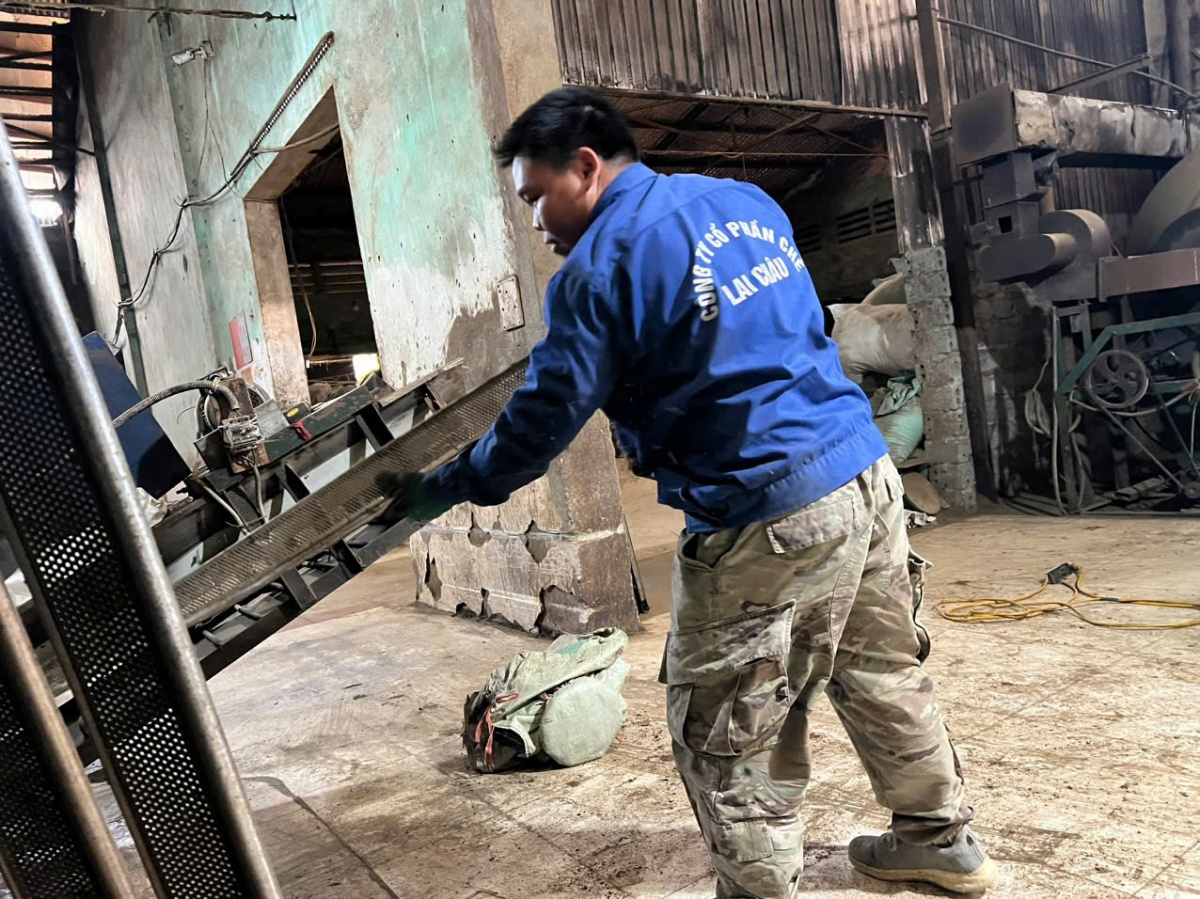
Workers using PPE when operating machinery in accordance with safety requirements for production machinery and equipment.
1. Legal Basis Governing the Safety of Production Machinery and Equipment
The current regulatory system for the safety of production machinery and equipment is primarily governed by the Law on Occupational Safety and Health 2015 and its guiding documents. Most notably, Circular 36/2019/TT-BLDTBXH issues the list of machinery, equipment, materials, and substances subject to strict occupational safety requirements. Additionally, each specific type of equipment must comply with the corresponding National Technical Regulations (QCVN).
According to Article 30 of the Law on Occupational Safety and Health 2015, machinery and equipment with strict requirements must have clear origins, be within their usable lifespan, meet quality standards, and, crucially, undergo safety inspections before being put into operation. This demonstrates that the safety of production machinery and equipment is not just an internal technical requirement but a legal obligation tied to the employer's responsibility.
2. Strict Equipment Inspection
One of the core components of the regulations on production machinery and equipment safety is the obligation to conduct technical safety inspections. Under Clause 1, Article 31 of the Law on Occupational Safety and Health 2015, equipment with strict requirements must be inspected before use and periodically throughout its operation. The inspection must be carried out by an organization qualified to perform occupational safety technical inspections, ensuring accuracy, openness, and transparency.
Many businesses mistakenly believe that if equipment is operating normally, it does not need inspection. However, legally, if a piece of equipment has not been inspected or its inspection certificate has expired, it is unqualified for use. Continuing to operate under these conditions is considered a violation of safety regulations and can result in heavy fines during an inspection.
3. List of Equipment with Strict Requirements under Circular 36/2019/TT-BLDTBXH
Circular 36/2019/TT-BLDTBXH is an important basis for determining which equipment requires mandatory inspection. In actual production, many common groups of equipment fall into this category, such as:
-
Boilers and pressure vessels.
-
Air compressors.
-
Forklifts, overhead cranes, and electric hoists.
-
Elevators and escalators.
-
Industrial conveyors.
-
Hazardous chemical and gas pipeline systems.
Misidentifying or omitting equipment from this list is a common reason businesses violate safety regulations. Therefore, businesses need to review their entire system of operational machinery and cross-check it with the list issued in the Circular to ensure no inspection obligations are missed.
4. Inspection Deadlines and Validity Control
The inspection deadline for production machinery and equipment depends on the specific type of equipment and its corresponding national technical regulations. Typically, the periodic inspection cycle ranges from 01 to 03 years. In addition to the initial inspection before use and periodic inspections, the law also requires an irregular inspection when the equipment undergoes major repairs, structural changes, technical parameter modifications, or after a serious incident.
Businesses are responsible for closely monitoring the validity of their inspection certificates. Leaving the tracking of deadlines entirely to technical service providers is a common mistake. Legally, the ultimate responsibility for ensuring the safety of production machinery and equipment rests with the employer. Establishing a records management system, a tracking list, and an automatic reminder mechanism is a necessary solution to avoid violations.
5. Obligation to Declare and Retain Inspection Records
Besides inspections, the law also stipulates the obligation to declare when putting equipment into use or when it is no longer in use or discarded. Businesses must report to the specialized agency under the Provincial People's Committee according to their jurisdiction, unless specialized laws state otherwise. This is a vital part of the state's management mechanism regarding machinery and equipment safety.
Inspection records must be fully retained at the enterprise, including:
-
Valid inspection reports.
-
Inspection certificates and stamps.
-
Technical dossiers.
-
Operation, maintenance, and repair logs.
During an occupational safety inspection, authorities will not only check the physical condition of the equipment but also review all relevant legal documents. Missing or incomplete records can lead to administrative fines.
6. State Management Responsibilities for Machinery and Equipment Safety
The Law on Occupational Safety and Health 2015 clearly delineates the state management responsibilities for machinery and equipment safety among various ministries and sectors. Depending on the specialized field, management authority may belong to the Ministry of Health, Ministry of Industry and Trade, Ministry of Transport, Ministry of Construction, Ministry of Agriculture and Rural Development, Ministry of Science and Technology, Ministry of Public Security, Ministry of National Defense, or the Ministry of Labour, Invalids and Social Affairs (MOLISA).
This division ensures in-depth management for each sector and provides a clear legal basis to assign responsibility when violations or incidents related to machinery and equipment safety occur.
7. Operator Training – A Key Factor in Ensuring Safety
The law does not solely focus on technical inspections; it also emphasizes the human element in managing the safety of production machinery and equipment. Employers are responsible for organizing safety training for operators, which includes operating procedures, hazard identification, incident handling measures, and relevant legal regulations.
Workers are only permitted to operate equipment once they have been trained and certified as qualified. If an occupational accident occurs because an operator was not properly trained, the business may be held liable for compensation and face severe penalties.
8. Legal Consequences for Violating Machinery and Equipment Safety Regulations
Violating regulations on the safety of production machinery and equipment can lead to severe consequences, such as:
-
Heavy administrative fines.
-
Suspension of production activities.
-
Forced halting of equipment use.
-
Criminal prosecution in cases causing serious consequences.
-
Mandatory compensation to workers if an accident occurs due to a failure to ensure safety.
Reality shows that many serious occupational accidents stem from expired equipment inspections or inadequately trained workers. This highlights the critical importance of strictly complying with safety regulations in business and production activities.
9. Conclusion
It can be affirmed that the safety of production machinery and equipment is one of the crucial pillars of the occupational safety legal system in Vietnam. Businesses must not only conduct periodic inspections but also manage records, make declarations as prescribed, and organize operator training. Full compliance with legal regulations helps businesses avoid legal risks while contributing to building a safe, sustainable work environment and enhancing their reputation in the market.
Comments:
There are no comment for this news.

.png)
.png)