 Tiếng anh
 Vietnam
Risks of Gas Asphyxiation and Fire/Explosion on Ships and Offshore Rigs
Ship and offshore rig safety are facing many challenges as maritime transport and offshore oil and gas exploitation activities continue to expand. On board ships and offshore rigs, the enclosed working environment, the storage of fuel and flammable chemicals, and the continuous operation of machinery systems mean that risks of gas asphyxiation and fire/explosion are always present. Ensuring ship safety and offshore rig safety through the correct identification of risks and the implementation of effective control measures is a core requirement in current maritime safety efforts.
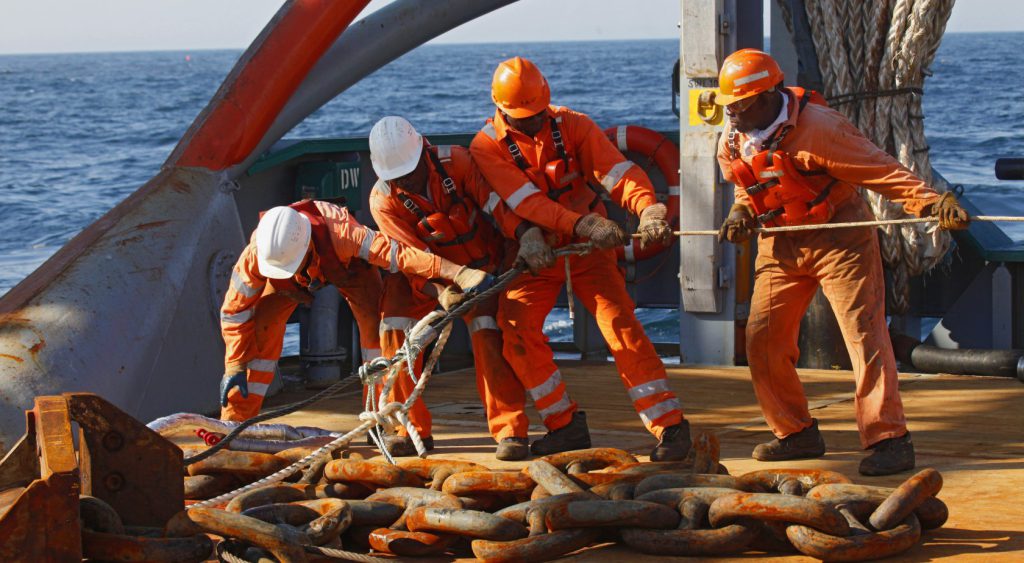
1. Risks of Gas Asphyxiation on Ships and Offshore Rigs
In the fields of ship safety and offshore rig safety, gas asphyxiation is one of the most serious yet often underestimated risks. Asphyxiation and fire/explosion incidents on ships often originate in confined spaces such as cargo holds, fuel tanks, pump rooms, ballast tanks, or storage tanks on offshore rigs. These are areas where toxic gases, oxygen deficiency, or flammable gas accumulations may exist. According to the International Maritime Organization (IMO), many fatalities on ships occur when crew members enter confined spaces without testing the gas concentration. Hydrogen sulfide ($H_2S$), methane ($CH_4$), or petroleum vapors can appear during the transport of crude oil and chemicals, or due to the biological decomposition of cargo. An oxygen concentration dropping below 19.5% can pose a health hazard, leading to rapid loss of consciousness.
On offshore rigs, this risk is even higher due to the nature of oil and gas extraction. Storage tanks and pipelines always contain flammable gases. If ventilation systems are inadequate or gas detectors do not operate accurately, workers may be exposed to oxygen-deficient or toxic environments without timely realization. In addition to technical factors, a common cause of asphyxiation accidents is subjectivity during operations. Some cases involve crew members or technicians entering confined spaces for quick inspections without following work permit procedures. When one person is incapacitated, others often rush to rescue them without proper protective equipment, resulting in chain casualties.
2. Fire and Explosion Risks on Ships
Shipboard fires and explosions are among the most serious risks to maritime safety. A ship is an enclosed environment containing large volumes of fuel, lubricants, paints, solvents, and various flammable materials. When a fire occurs, the narrow spaces and distance from shore make emergency response much more complex than on land. Fires often originate in the engine room due to fuel leaks coming into contact with hot surfaces. According to statistics from many international marine insurance associations, the engine room accounts for a high percentage of ship fire incidents. Additionally, overloaded electrical systems, short circuits, or improper maintenance are common causes.
In container transport, fire risks also stem from the misdeclaration of dangerous goods. Certain types of chemicals can self-ignite or react as temperatures rise. When containers are stowed deep within the cargo hold, detecting and extinguishing a fire becomes extremely difficult, increasing the extent of the damage. For oil tankers and liquefied gas carriers, the risk of fire and explosion is particularly severe due to the high flammability of the cargo. If anti-static or ventilation systems are inadequate, a single small spark can cause a massive explosion.
3. Fire and Explosion Risks on Offshore Rigs
The risk of fire and explosion on offshore rigs is generally higher than on conventional ships due to the specific nature of oil and gas extraction and continuous offshore operations. On drilling rigs and offshore structures, flammable gases such as methane, solvent vapors, oil vapors, and various extraction chemicals are always present. When these gases leak and accumulate in confined spaces or poorly ventilated areas, a single ignition source from electrical equipment, mechanical friction, or metal welding and cutting can cause a serious fire or explosion, directly affecting offshore rig safety and threatening the lives of workers.
Furthermore, oil and gas pipeline systems operate under high pressure; if a rupture occurs, the large volume of released gas or liquid increases the risk of a widespread fire. The maritime environment's strong winds allow fire to spread rapidly to other areas of the rig. Inadequate maintenance, poorly controlled heat sources, or incorrect technical procedures are also direct causes of offshore fire and explosion incidents, severely compromising offshore rig safety.
4. Maritime Fire/Explosion Prevention and Gas Asphyxiation Risk Control
When these gases leak and accumulate in confined spaces or poorly ventilated areas, a single ignition source from electrical equipment, mechanical friction, or metal welding and cutting can cause a serious fire or explosion, directly affecting offshore rig safety and threatening the lives of workers.
Secondly, fire prevention and fighting systems must be maintained periodically. Smoke detectors, heat sensors, and water or inert gas sprinkler systems must operate stably. Ships must fully comply with international requirements to ensure ship safety in all emergency situations.
Thirdly, the management of dangerous goods in maritime transport must be strictly controlled. Cargo must be declared correctly regarding its nature, classification, and stowed according to technical regulations. Ports and shipowners must coordinate inspections to minimize risks and strengthen ship safety.
Fourthly, on offshore rigs, well control systems, safety valves, and emergency shut-down (ESD) equipment must be checked frequently. Emergency response procedures should be practiced periodically to ensure rapid response capabilities during incidents and maintain the highest level of offshore rig safety.
Finally, the human factor must be placed at the center of the ship safety strategy. Training, supervision, and building an awareness of procedural compliance are the foundations for limiting gas asphyxiation, shipboard fires, and offshore fire/explosion incidents.
Gas asphyxiation and fire/explosion risks on ships and offshore rigs are major challenges for the shipping and oil and gas industries. In the context of the strong integration and development of the maritime economy, ensuring ship and offshore rig safety is a corporate responsibility to protect people, the environment, and the global supply chain. Proactive prevention, regulatory compliance, and investment in safety technology are sustainable solutions to minimize risks and enhance ship and offshore rig safety in modern maritime operations.
Comments:
There are no comment for this news.

.png)
.png)