 Tiếng anh
 Vietnam
What is a Defibrillator? Features? User Guide?
A defibrillator is a critical medical device in emergency treatment for sudden cardiac arrest. Among current first aid equipment, defibrillators are a widely used solution due to their ease of use for users even without medical expertise. Understanding the features and operation of a defibrillator plays an important role in first aid at both the workplace and in public spaces.
1. What is a Defibrillator?
A defibrillator is a medical device that uses controlled electrical pulses to terminate dangerous heart rhythm disorders such as ventricular fibrillation (VF) and pulseless ventricular tachycardia (VT), thereby enabling the heart to restore an effective contraction rhythm. In out-of-hospital emergencies, the most commonly used device is the Automated External Defibrillator, often referred to as an AED.
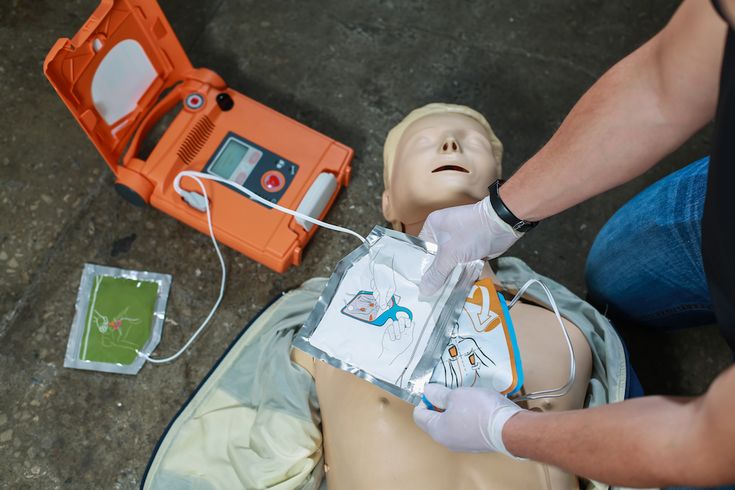
Physiologically, sudden cardiac arrest occurs when the heart's electrical activity falls into a chaotic state, preventing the heart from pumping blood effectively. Ventricular fibrillation is a condition where myocardial fibers contract chaotically and asynchronously; pulseless ventricular tachycardia is when the heart beats very fast but fails to generate blood flow. In these two situations, an electric shock is the only measure that can reverse the arrhythmia in a short time.
A defibrillator operates on the principle of delivering a high-intensity electrical pulse over an extremely short duration through the heart muscle. This pulse momentarily stops all abnormal electrical activity, allowing the sinus node or natural pacemaking centers to re-establish a physiological heart rhythm. This mechanism is established in cardiovascular medicine and is recommended in first aid protocols for sudden cardiac arrest globally.
The difference between an AED and hospital-grade defibrillators is its ability to automatically analyze the heart rhythm and only allow a shock when indicated. Consequently, the device can be used by non-professionals after basic instruction, expanding the chances of saving a victim's life directly at the scene.
Currently, defibrillators are classified into three main groups: manual types for cardiologists, semi-automatic types, and fully automatic types for the community. In public and corporate environments, automated external models are the preferred choice due to their safety and ease of use.
2. Features of a Defibrillator (AED)
The core feature of an AED is its automatic heart rhythm analysis using integrated electrocardiogram (ECG) algorithms. When electrodes are placed correctly, the device records the heart's electrical signals and evaluates whether the victim is in a condition requiring an electric shock. The software system is designed to accurately identify VF and pulseless VT, while excluding non-shockable rhythms such as asystole. This mechanism ensures safety and avoids unnecessary electrical pulses.
Another important feature is voice and visual guidance. Upon startup, the AED will issue clear, step-by-step commands such as attaching electrodes, standing clear during rhythm analysis, preparing for a shock, and continuing chest compressions. Some models also feature a screen displaying electrode placement diagrams, a compression timer, and a metronome to guide compressions at the recommended frequency. This allows users to follow the procedure correctly even with minimal experience.
The ability to control shock energy is a factor that demonstrates the safety of an AED. Devices are set with energy levels suitable for adults and can switch to pediatric mode when necessary. Current biphasic shock technology optimizes defibrillation efficiency while reducing myocardial damage compared to older monophasic technology.
Some modern devices can store ECG data and shock timing. This data can be extracted for clinical analysis post-emergency, supporting doctors in evaluating the patient's progress. In corporate medical management systems, the storage function also helps control the quality of emergency responses.
Design-wise, AEDs are compact, with impact-resistant, dust-proof, and moisture-resistant casings. This allows installation in various environments such as factories, stadiums, schools, and shopping centers. The batteries typically have a shelf life of several years in standby mode, ensuring economic efficiency and high readiness.
3. AED Models Currently Distributed by Wellbeing
Wellbeing is a leading distributor of AED models in Vietnam, featuring products from three major global brands: Philips (UK/Netherlands), Zoll (USA), and Nihon Kohden (Japan). All models are fully imported.
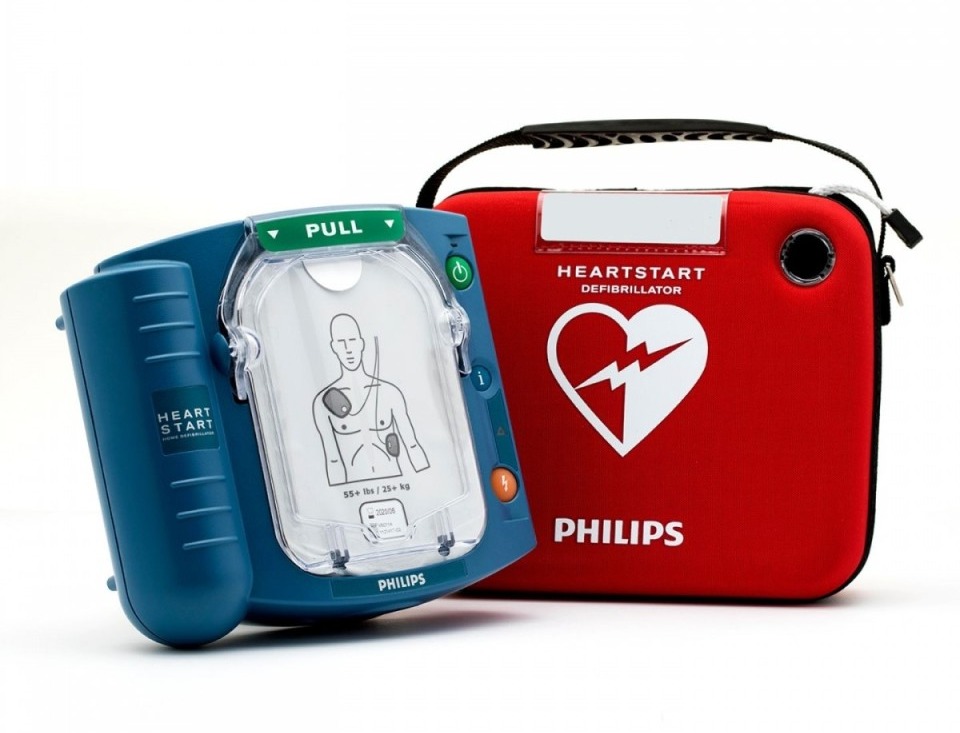
3.1. HeartStart HS1 (Philips)
A product of the Philips brand. The machine language is English, and it includes CPR guidance (30 compressions and 2 breaths). It has two separate types of pads for children and adults (purchased separately, not integrated). The pads have a 20-month shelf life, and the battery lasts for 4 years. Dimensions: 7 x 21 x 21 cm; Weight: 2 kg.
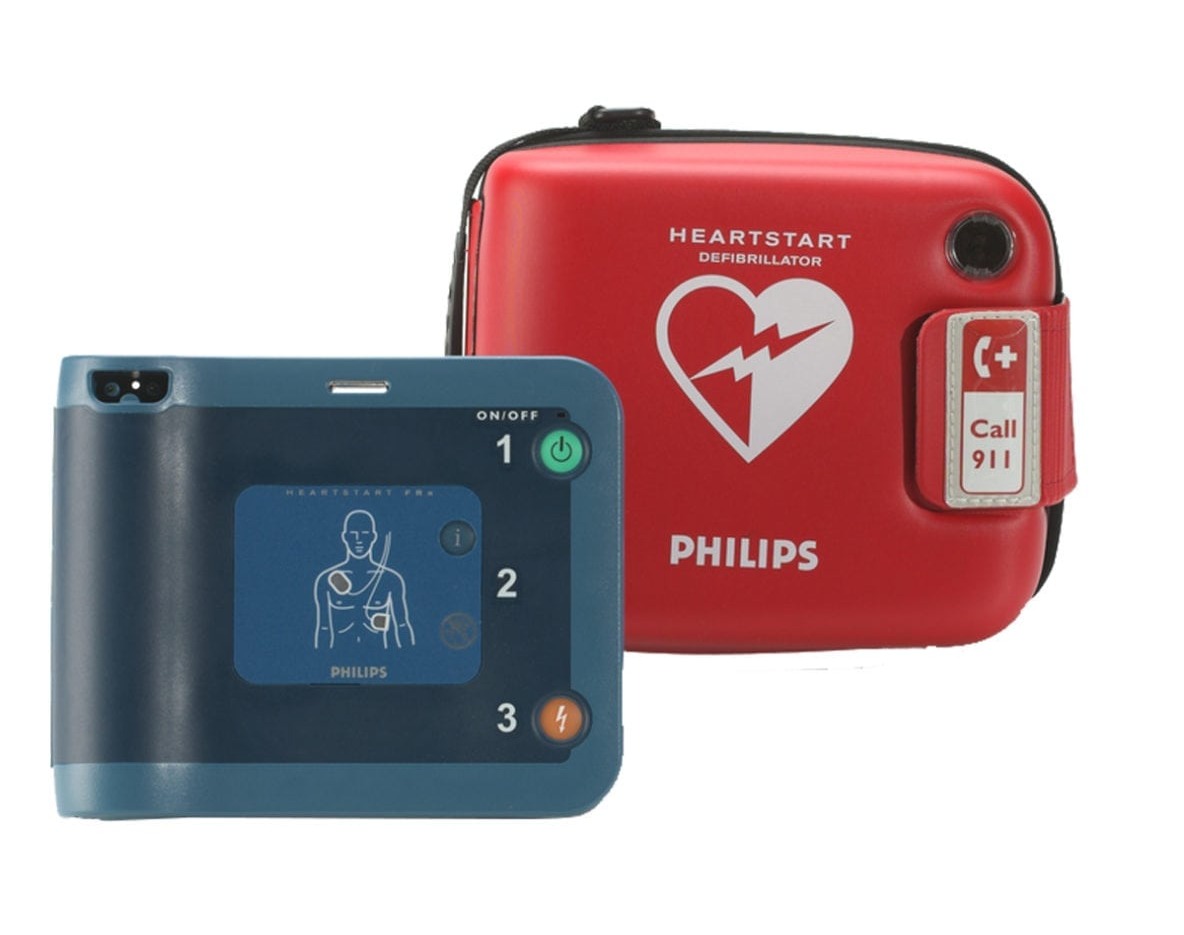
3.2. HeartStart FRx (Philips)
A product of the Philips brand. The machine language is English, and it includes CPR guidance (30 compressions and 2 breaths). It features versatile pads that can be adjusted to fit the victim. The pads have a 20-month shelf life, and the battery lasts for 4 years. Dimensions: 6 x 18 x 22 cm; Weight: 1.5 kg.
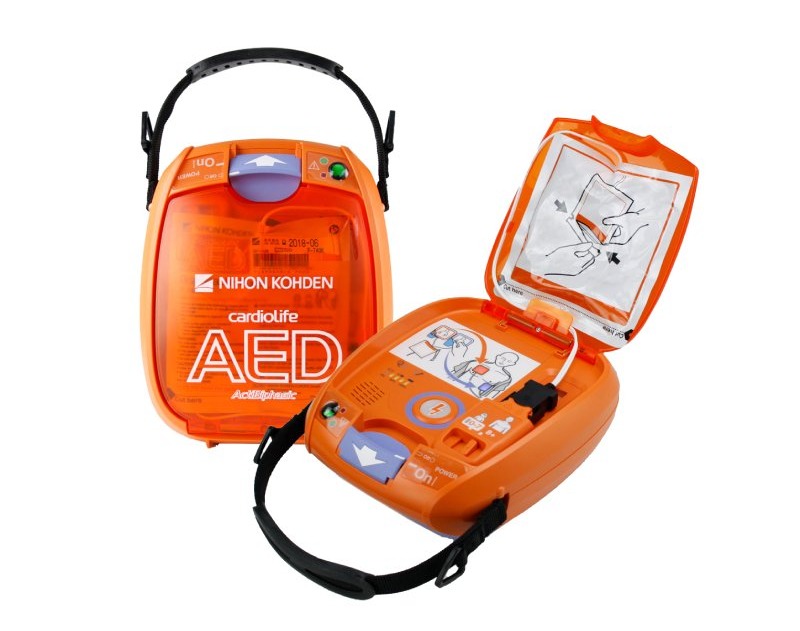
3.3. AED-3100 (Nihon Kohden)
A product of the Nihon Kohden brand from Japan. The machine supports Vietnamese, English, and Japanese (two languages can be installed simultaneously). Additionally, it features an LCD screen to help the rescuer identify if the posture, position, and compression force are correct. It uses convenient universal pads for both adults and children (requires a switch to adjust the energy level for each subject). Pads have a 20-month shelf life, and the battery lasts for 4 years. Dimensions: 34 x 26 x 15.5 cm; Weight: 2.3 kg.
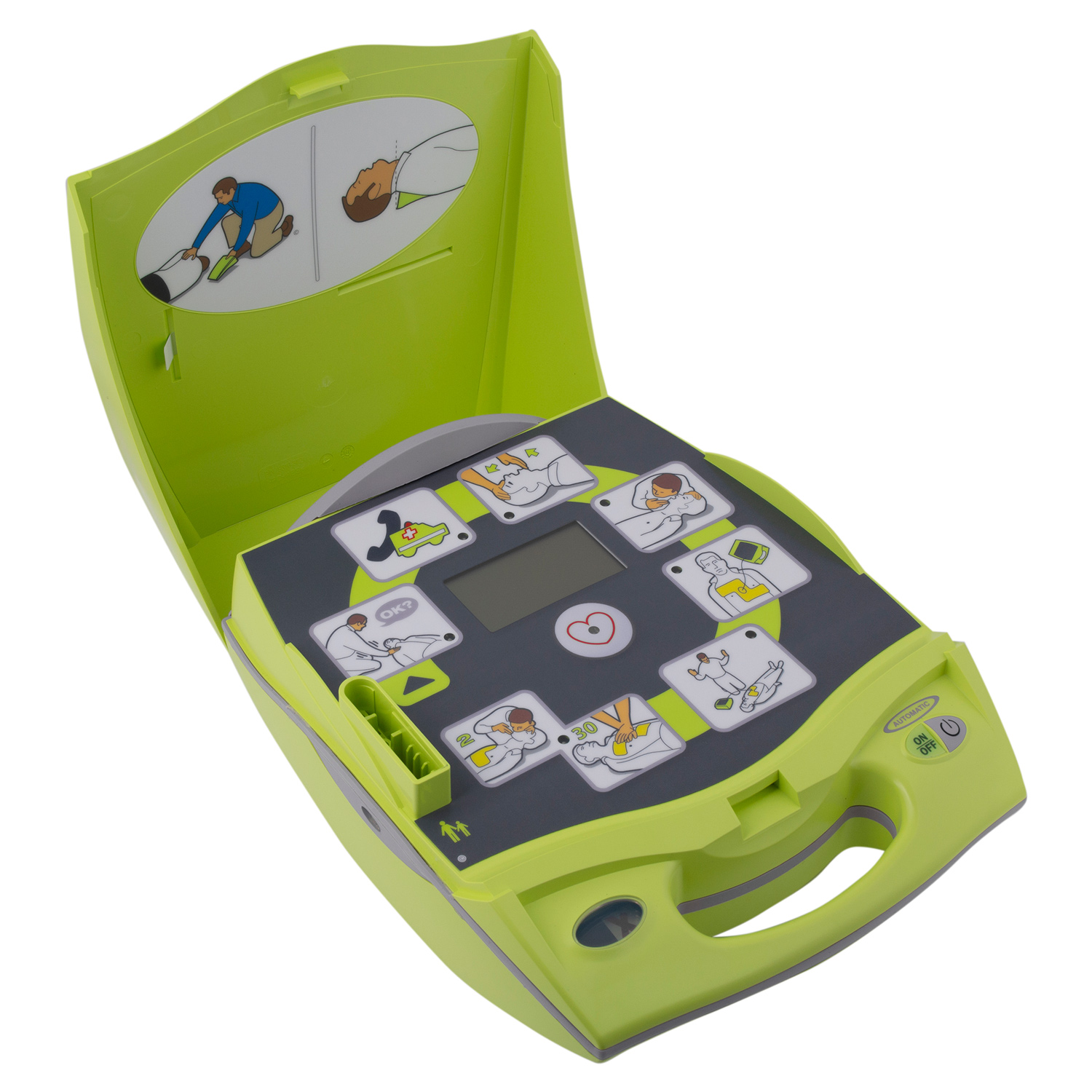
 3.4. Zoll AED Plus
A product of the Zoll brand from the USA. The machine can be set to Vietnamese. The body features an LCD screen displaying victim information and visual guides for pad placement. It also provides feedback on compression depth, reminding the rescuer to "Push Harder" for better effectiveness. It uses two separate integrated pads for children and adults; the electrode pads include a compression sensor to identify the correct position. Dimensions: 13.3 x 24.1 x 29.2 cm; Weight: 3.1 kg.
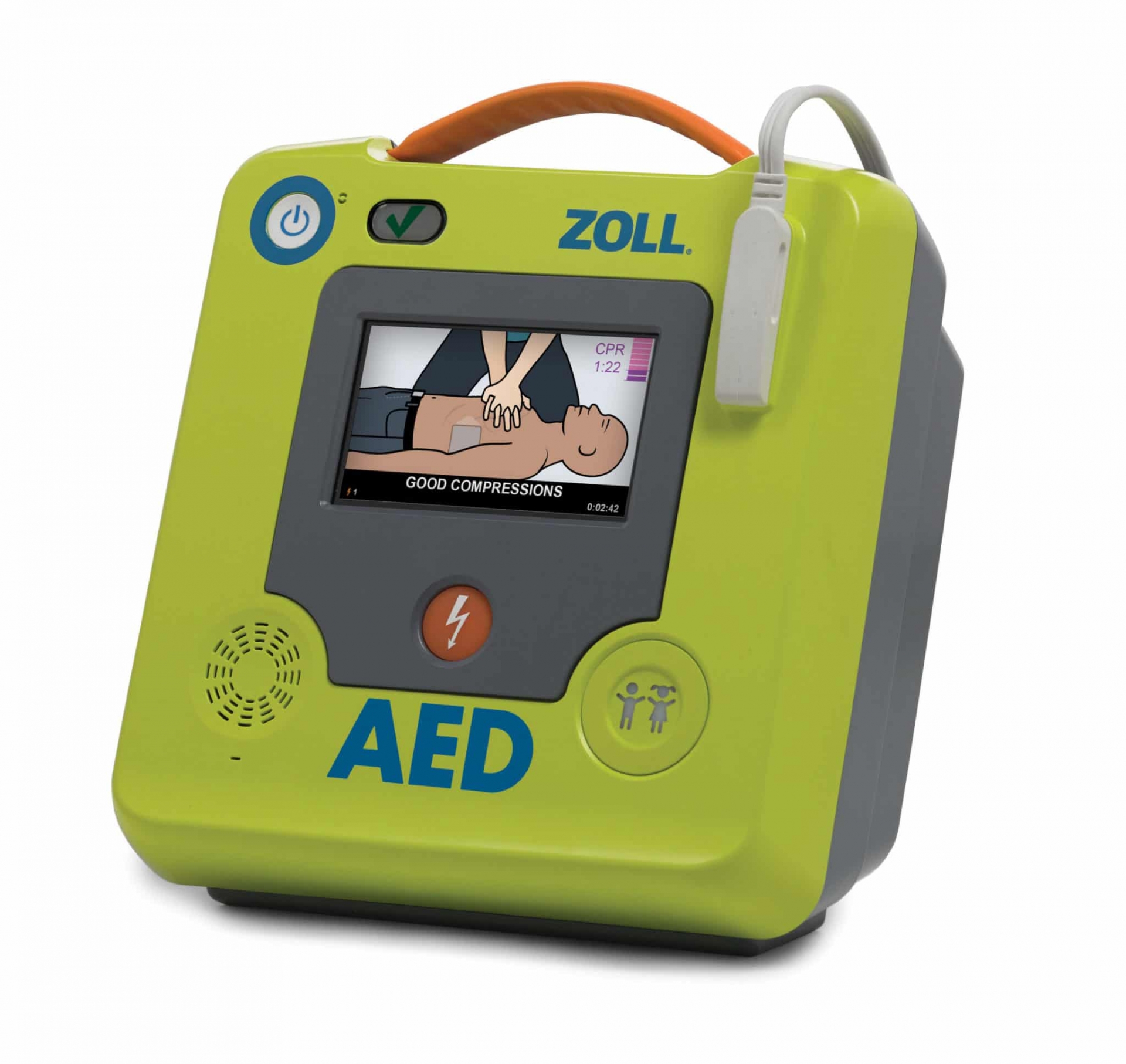
 3.5. Zoll AED 3
A product of the Zoll brand from the USA. The machine can be set to Vietnamese. It features an LCD screen for victim data and visual guidance. It provides real-time CPR feedback. Furthermore, it has Wi-Fi connectivity to link AEDs at the scene and manage them via a cloud database for quality checks and location tracking. Pads are universal for adults and children (switched via a mode selector); electrode pads include a sensor to identify the compression position. Dimensions: 7 x 20 x 20 cm; Weight: 3.1 kg.
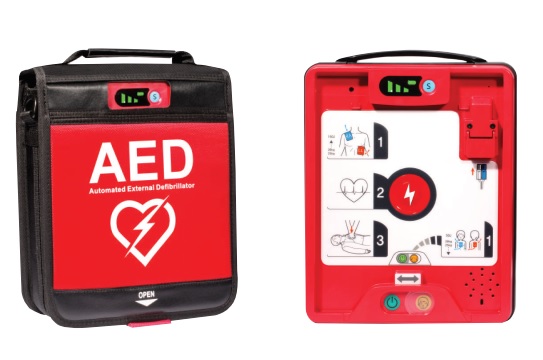
 3.6. Nanoomtech NT-381C
The NT-381C (Heart+ ResQ line) is a standout product due to its modern features and ease of operation. Produced by NANOOMTECH CO., LTD in Gwangju, South Korea, it is used for community sudden cardiac arrest emergencies. The device automatically analyzes heart rhythms through electrodes and only delivers a pulse when indicated by integrated algorithms. It guides the responder via voice commands and visual symbols. With a compact design, self-testing mechanism, and long-life battery/electrodes, it is suitable for businesses, schools, and public spaces.
 4. Guide to Using a Defibrillator in Sudden Cardiac Arrest Emergencies
Using a defibrillator according to the correct procedure is decisive in sudden cardiac arrest cases. While designed for non-professionals, precise steps must be followed for effective defibrillation and rescuer safety.
Step 1: Identify cardiac arrest status before use
An AED only works if the victim has a shockable arrhythmia. Approach the victim, check for responsiveness by shouting and tapping the shoulder. If unresponsive, check breathing for a maximum of 10 seconds. If they are not breathing or only gasping, treat it as cardiac arrest. Call 115 immediately and request an AED. Start chest compressions (100–120 bpm, 5–6 cm depth for adults) while waiting for the device.
Step 2: Start and prepare the device
When the AED arrives, turn it on. Most AEDs issue voice prompts once opened or powered on. Fully expose the victim's chest. Dry the skin if wet. Do not place pads over medication patches or implanted pacemakers. Shave thick chest hair if it interferes with pad contact. Apply pads as illustrated: one below the right collarbone, the other on the left side of the chest below the nipple along the mid-axillary line.
Step 3: Analyze heart rhythm and deliver shock
Once pads are attached, the device will automatically analyze the heart rhythm. Do not touch the victim during this time to avoid signal interference. If a shock is indicated, the device will announce it is ready. For semi-automatic models, press the shock button as instructed, ensuring no one is touching the victim. Fully automatic models will deliver the pulse after a warning. If no shock is indicated, immediately resume chest compressions.
Step 4: Continue CPR after shock
Immediately after the shock (or if no shock is advised), continue chest compressions for approximately two minutes before the device re-analyzes. Do not delay compressions between cycles. Repeat until the victim shows signs of recovery (breathing, movement) or professional medical personnel take over.
5. Important Notes When Using a Defibrillator
-
Do not use the defibrillator in standing water or high-risk explosive environments. If the victim is on a metal surface, ensure no one is in direct contact with that surface during a shock.
-
For children under 8 years old or under 25 kg, use pediatric electrodes and mode if available. If not, adult electrodes can be used but should be placed in the center of the chest and the center of the back to prevent them from touching.
-
Batteries and electrodes must be within their expiration dates. The device needs periodic checks to ensure readiness. If expired, the shock capacity and pad adhesion may be compromised.
Defibrillators are key medical devices for handling sudden cardiac arrest due to dangerous arrhythmias. Wellbeing is a distributor of genuine AED models that meet quality standards for businesses, schools, factories, and public spaces. Selecting the right equipment and receiving technical advice from Wellbeing ensures emergency readiness in critical situations.
Comments:
There are no comment for this news.

.png)
.png)