 Tiếng anh
 Vietnam
What is a Defibrillator? | Wellbeing
A defibrillator (also known in Vietnam as máy khử rung tim or máy phá rung tim) is a critical medical device used to correct abnormal heart rhythms, particularly in emergencies such as atrial fibrillation or cardiac arrest. When the heart beats irregularly or stops, the defibrillator delivers an electric shock to restore a normal heartbeat.
1. Automated External Defibrillator (AED)
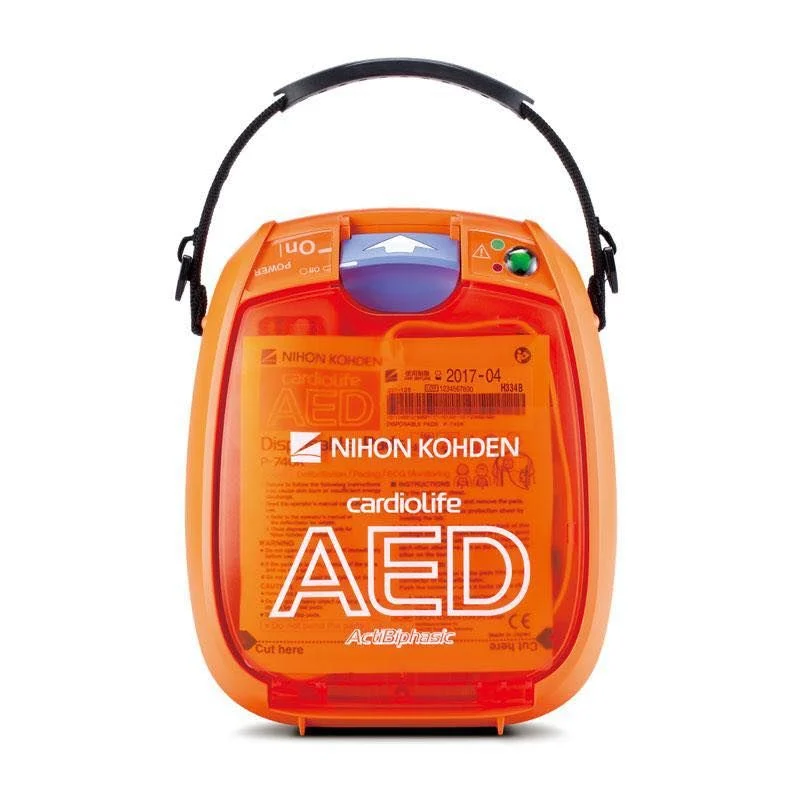
The AED is the most common type of defibrillator, specifically designed for use by laypeople (those without medical training). These devices are typically installed in public areas like airports, schools, and shopping malls. An AED can automatically analyze the patient's heart rhythm and guide the user to deliver an electric shock if necessary.
Popular Brands:
-
Philips HeartStart: A product of one of the leading manufacturers in medical equipment. The HeartStart line is highly trusted and popular. Philips AEDs are designed for ease of use, providing clear voice and visual prompts to ensure users perform rescue steps accurately.
-
ZOLL AED Plus: Notable for its ability to be installed with Vietnamese language support, making it easy for local users to understand and follow rescue steps. The LCD screen on the device displays essential information and visual guides for pad placement.
-
Nihon Kohden: A top global brand in medical equipment, particularly renowned for its AED products. Nihon Kohden devices are highly rated for their reliability, advanced features, and user-friendliness.
2. Implantable Cardioverter Defibrillator (ICD)
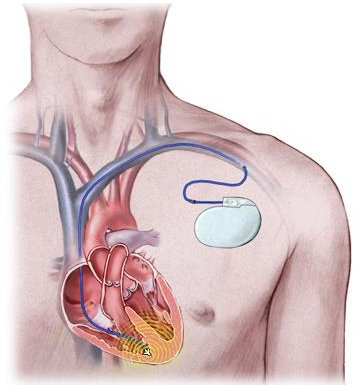
An ICD is a medical device surgically implanted inside the patient's body. Placed near the heart and connected via electrode leads, it continuously monitors and regulates the heart rhythm.
Popular Brands:
-
Medtronic: A leading manufacturer offering ICDs with advanced features, including remote monitoring capabilities.
-
Boston Scientific: Offers ICDs with automatic adjustment capabilities and detailed heart rhythm tracking.
-
Abbott: Known for devices with high durability and precise regulation capabilities.
3. Manual Defibrillator (with Pacing)
This type of device requires a user with medical expertise to analyze the heart rhythm and decide when to manually deliver a shock. They are typically used in hospitals and ambulances.
Popular Brands:
-
Lifepak (Physio-Control): Widely used in medical facilities and ambulances, known for its customizable modes.
-
Defibtech: Provides manual defibrillators (and AEDs) with detailed user guides and durable designs.
3. Manual Defibrillator (with Pacing)
This type of device requires a user with medical expertise to analyze the heart rhythm and decide when to manually deliver a shock. They are typically used in hospitals and ambulances.
Popular Brands:
-
Lifepak (Physio-Control): Widely used in medical facilities and ambulances, known for its customizable modes.
-
Defibtech: Provides manual defibrillators (and AEDs) with detailed user guides and durable designs.
Conclusion: Defibrillators play a vital role in saving the lives of patients suffering from cardiac arrest or dangerous arrhythmias. Proper usage can significantly increase survival chances. In particular, the AED enhances the ability to save lives immediately at the scene, even in the absence of professional medical personnel.
Comments:
There are no comment for this news.

.png)
.png)