
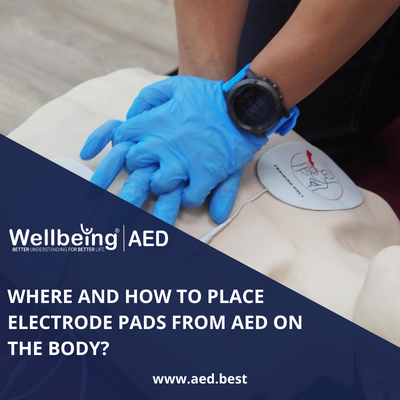
AED stands for “automated external defibrillator. Although the AED is fully automated and can provide instructions for first aiders on how to perform CPR, there are no specific instructions on where on the victim’s body to place the electrode pads, which might depend on many factors.
The heart works normally when the atria and ventricles contract to pump the blood out of
Are you confident that you can give first aid to cardiac arrest victims or use AEDs in the right way?...
Do you know that only 9% of cardiac arrest victims survive. However, if CPR is performed, this number can rise to 30%...
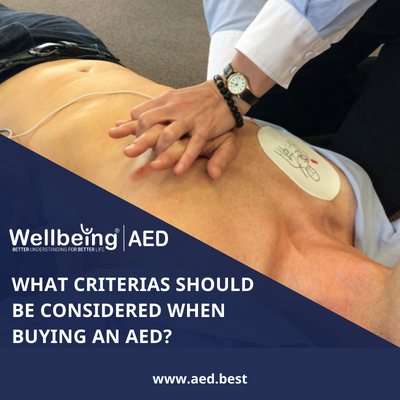
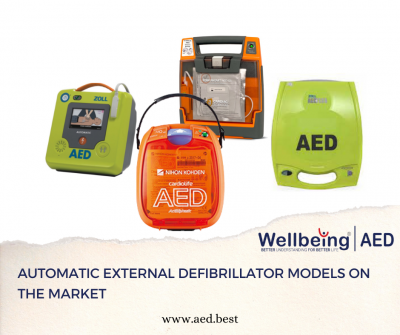
The automatic external defibrillator (AED) works to analyze the victim's heart rate, when necessary, will defibrillate and help the heart re-establish the proper heart rate. Meanwhile, it also instructs the user to perform CPR by its sound and signal showed on the LCD screen mounted on the body. There are at least 7 AED manufacturers and more than 20 different AED models in the world. So, how can you choose a good-quality and suitable AED?
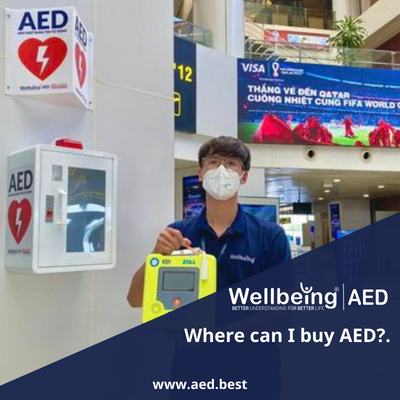
There are at least 7 AED manufacturers and more than 20 different AED models in the world. With great efficiency in helping to save the lives of cardiac arrest victims, in developed countries, AEDs have been installed in many public places. In Vietnam, the term “AED” is still new, but it has been gradually noticed.
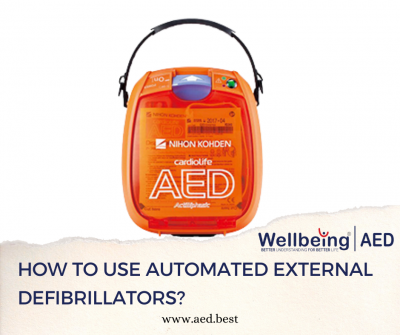
When a person experiences cardiac arrest, for each passing minute, the victim's survival rate decreases by 10%. an automated external defibrillator (AED)
Have you ever wondered whether cardiopulmonary resuscitation can be performed on a pregnant woman and automated external defibrillator
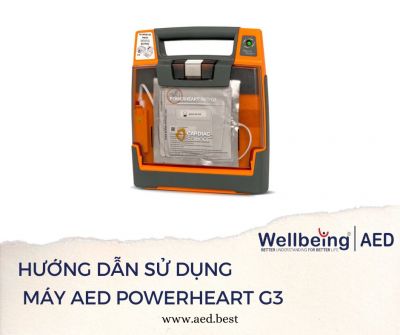
The Powerheart G3 represents a state-of-the-art AED model from the renowned manufacturer, Cardiac Science
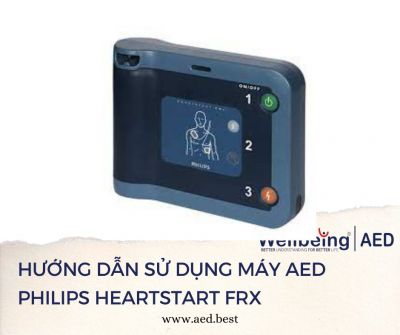
The Philips HeartStart FRx is engineered for reliability in the most demanding situations. It boasts a rapid rhythm analysis time of just 8 seconds, minimizing delays in treatment.
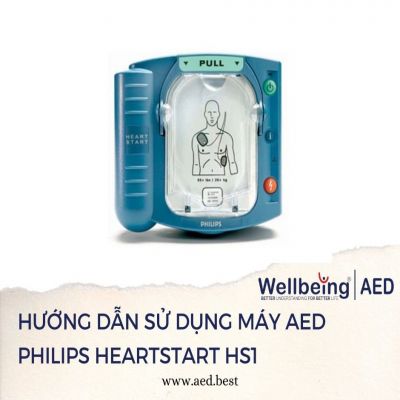
The Philips HeartStart HS1 is equipped with integrated sensors within the electrode pads to monitor chest compressions, complemented by clear, step-by-step voice guidance.
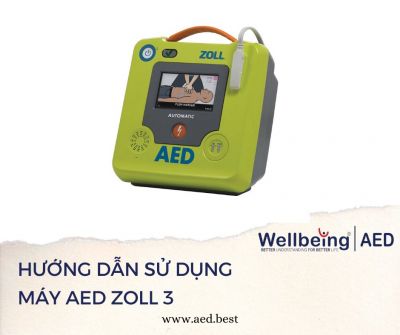
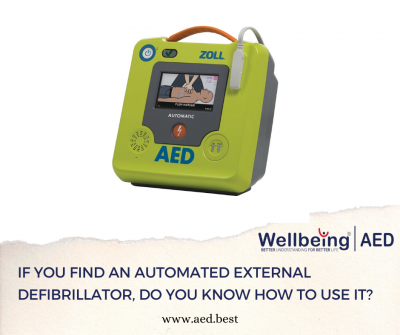
The ZOLL AED 3 is designed for universal application, effectively treating both adult and pediatric patients without the need to switch electrode pads. It features advanced sensors integrated directly into the pads to monitor chest compression force, ensuring high-quality CPR through real-time feedback.
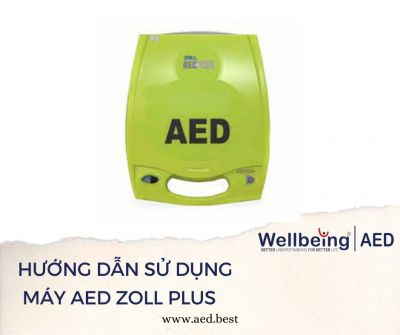
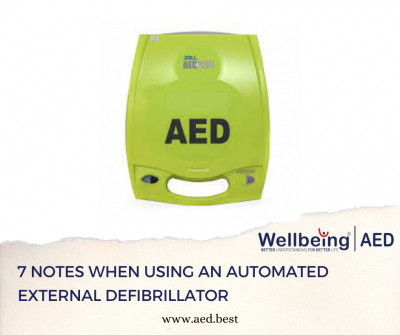
The ZOLL AED Plus stands out as the only AED on the market equipped with a distinct one-piece electrode pad designed to easily locate the precise landmark for chest compressions.
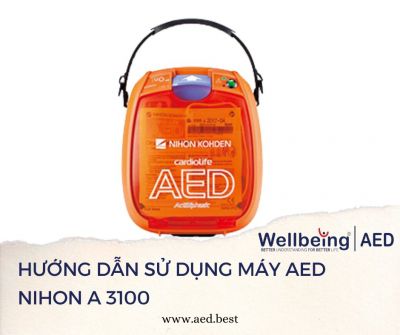
The Nihon Kohden AED-3100 is distinguished by its seamless versatility. This model features universal electrode pads that are compatible with both adults and children, eliminating the time-consuming need to switch pads during an emergency.
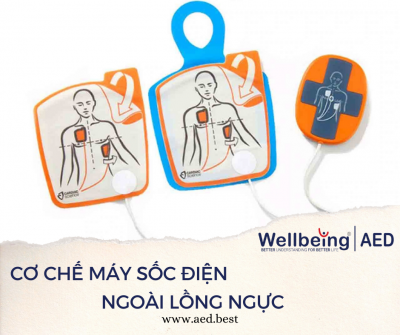
External chest defibrillation is a time-critical procedure that must be performed as rapidly as possible upon the detection of specific tachyarrhythmias on an ECG monitor.
 Tiếng anh
 Vietnam
.png)
.png)