
The heart is a vital organ in the human body, acting as a "pump" to help circulate blood and supply oxygen to cells. The human heart starts beating very early during development (about 3 weeks after conception) and continues to work throughout life, persistently and continuously. Understanding the operating mechanism of the heart helps you know how to care for and protect cardiovascular health.

As a general principle for myocardial infarction, the patient must be immediately transported to a hospital equipped for intensive care and emergency treatment. During transport, move gently and keep the patient immobile on a stretcher. Reassure the patient and do not allow them to move, even slightly. Administer continuous oxygen at 2-4 liters/minute via a nasal cannula. Note that in cases where blood oxygen saturation is above 90%, oxygen should only be administered during the first few hours.
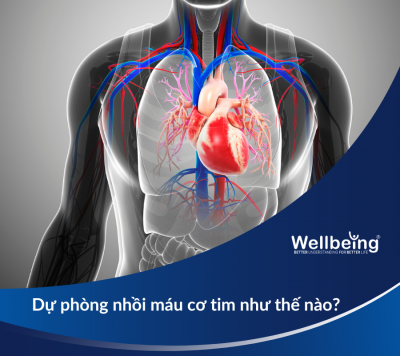
Myocardial infarction is one of the causes with a very high mortality rate globally. However, you can implement many simple measures to prevent this condition. In this article, we will share effective, simple, and essential ways to prevent myocardial infarction.
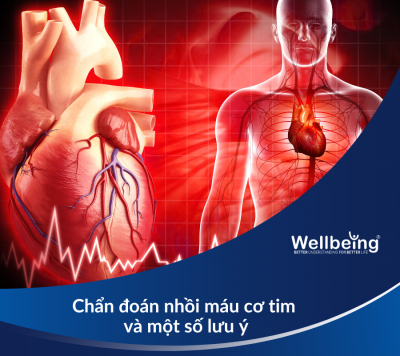
Myocardial infarction is a serious medical condition; if not treated promptly, it can lead to severe complications, including heart failure, arrhythmias, or death. The "golden time" in myocardial infarction refers to the initial period immediately following the onset of symptoms, during which emergency intervention and treatment can minimize myocardial damage.
Cardiac arrhythmia is a condition where the heartbeat is irregular, beating faster or slower than normal. Understanding the causes of this condition is a crucial first step in prevention and treatment. In a normal person, the resting heart rate ranges from 60 to 100 beats per minute. Cardiac arrhythmias can stem from various causes, such as:
Cardiac arrhythmia is a condition where the heart beats irregularly; it can be too fast, too slow, or follow an abnormal rhythm. Many cases of cardiac arrhythmia are asymptomatic or present with non-specific symptoms that are easily confused with other health issues. Some types of cardiac arrhythmias do not affect health. However, there are cases where arrhythmias can lead to heart failure, cardiac arrest, or stroke.
STEMI (ST-Elevation Myocardial Infarction) is a serious type of myocardial infarction that occurs when a coronary artery is completely blocked, leading to a lack of blood and oxygen for the heart muscle. This condition is identified by ST-segment elevation on an electrocardiogram (ECG), indicating damage to heart tissue.
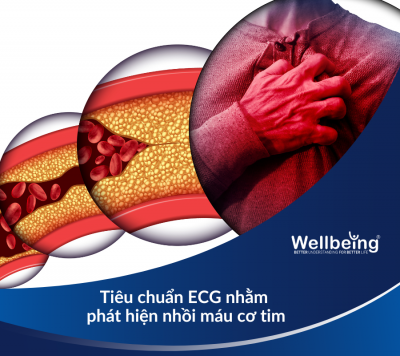
Myocardial infarction is a serious medical condition that occurs when a portion of the heart muscle does not receive enough blood and oxygen, leading to damage or death of myocardial tissue. This can cause severe complications and even death if not diagnosed and treated promptly. An electrocardiogram (ECG) is a crucial tool for detecting myocardial infarction. Below are the main diagnostic criteria for myocardial infarction on an ECG that you need to know.

An irregular heartbeat, also known as cardiac arrhythmia, is a condition where the heartbeat does not follow its usual regular and rhythmic pattern. This can occur at any age and may be a sign of underlying health issues. Early recognition and timely treatment are crucial.
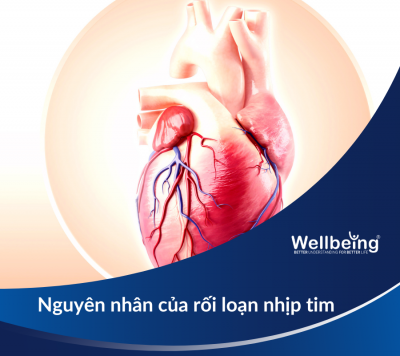
Cardiac arrhythmia is a common condition encountered by many, affecting cardiovascular health and quality of life. Understanding the causes of cardiac arrhythmia will help you adopt more effective prevention and treatment measures. It is evident that cardiac arrhythmias stem from various origins, including abnormal factors, causes arising from underlying heart conditions, or thyroid diseases, etc.

Cardiac arrhythmia is a dangerous medical condition; many signs are often overlooked. Are you worried about signs of cardiac arrhythmia? Learn about common symptoms and when to seek medical support and care.
Arrhythmia, or cardiac arrhythmia, is a condition where the heartbeat does not follow a normal pattern. This can manifest in many forms, such as a heartbeat that is too fast (tachycardia), too slow (bradycardia), or irregular. Arrhythmia can occur at any age and often causes no serious symptoms; however, in many cases, it can lead to severe health problems.
Cardiac arrhythmia, also known as arrhythmia, is a condition where your heartbeat is unstable. Although many cases of cardiac arrhythmia do not cause serious symptoms, they can lead to dangerous complications that cannot be underestimated. Let's explore this condition and its potential risks.
Cardiac arrhythmia is understood as a condition where the heart rhythm functions abnormally. This condition not only causes discomfort but can also lead to serious complications. Cardiac arrhythmia can be prevented in many cases through implementing a healthy lifestyle and managing risk factors.
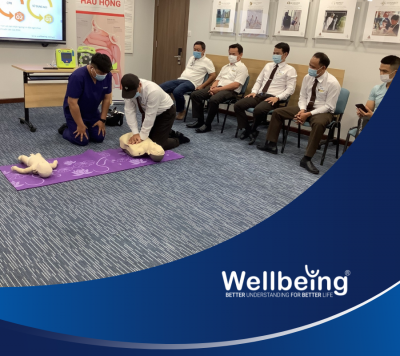
In 2024, the need to enhance basic first aid knowledge and skills has become more important than ever. With the rapid development of modern society, equipping oneself with first aid knowledge and skills not only helps protect you and your family but can also save others' lives in emergency situations. This is why basic first aid courses are gaining significant attention, particularly from reputable training organizations.
 Tiếng anh
 Vietnam

.png)
.png)