
Heart ResQ is a high-quality AED (Automated External Defibrillator) manufactured by Nanoomtech in South Korea. It boasts exceptional quality and comes with extended after-sales service and warranty for your peace of mind.
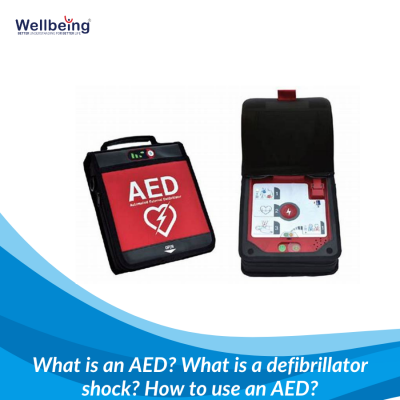
AED stands for Automated External Defibrillator, which is referred to as "Máy khử rung tim ngoài tự động" in Vietnamese. This term may sound a bit formal and hard to understand, but as the name suggests, an AED is a "device that automatically eliminates cardiac arrhythmia."
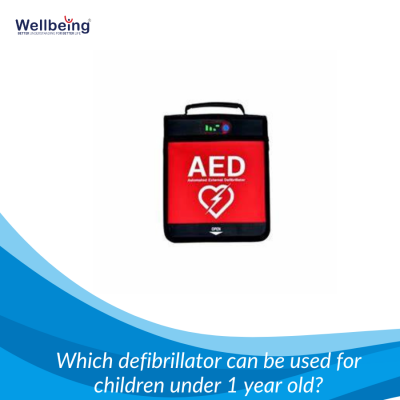
When a person experiences cardiac arrest, for every minute that passes, the survival rate of the victim decreases by 10%. So, which AED/defibrillator can be used for infants under 1 year old? When a person experiences cardiac arrest, for every minute that passes, the survival rate decreases by 10%. AEDs/defibrillators can help restore the heart’s function, enabling the heart to regain an effective rhythm in critical moments. AEDs/defibrillators for adults can be used for children aged 1 year and above, but for infants between 50 days and 1 year old, it is recommended to use AEDs with pediatric pads (delivering a maximum of 8 Joules with biphasic shocks). So, which AED/defibrillator can be used for infants under 1 year old?
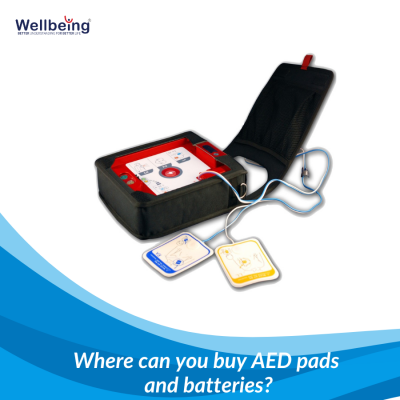
The Automated External Defibrillator (AED) is designed to analyze the victim’s heart rhythm. When necessary, it will deliver a shock to restore a normal heart rhythm, while simultaneously guiding the user in performing Cardiopulmonary Resuscitation (CPR). There are at least 7 manufacturers and more than 20 AED models worldwide, each requiring different types of batteries and pads. To ensure you purchase the correct, compatible accessories for your AED device, it is essential to buy genuine parts from trusted sources.

The Heart+ResQ™ NT-180 is one of the most widely used AED/defibrillator models by Nanoom Tech, designed for ease of use and reliability. Its features make it ideal for a variety of environments such as schools, offices, factories, industrial sites, and train stations
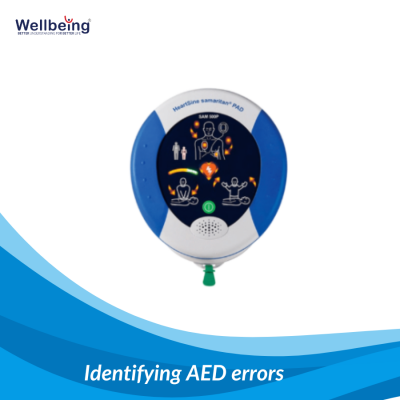
AED/Defibrillators Are Becoming More Common in the CommunityAEDs (Automated External Defibrillators) and defibrillators are increasingly found in public spaces due to their life-saving potential. When used promptly, they can increase a cardiac arrest vi
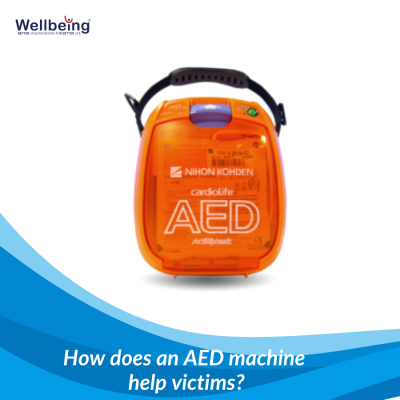
Defibrillation is a crucial part of resuscitation techniques. A victim experiencing cardiac fibrillation (such as ventricular fibrillation or ventricular tachycardia) has up to a 74% chance of survival if an AED (Automated External Defibrillator) is used promptly in combination with CPR. But do you really know how an AED or defibrillator helps the victim?

Stroke is common among older adults and those with cardiovascular diseases (hypertension, heart failure, etc.). However, there is a trend of strokes affecting younger people in the community. Strokes can leave irreversible after-effects such as speech difficulties, facial drooping, limited mobility, paralysis on one side of the body, etc. Early recognition of signs and timely transport to the hospital will increase the victim's chances of recovery. Therefore, in stroke first aid, time is gold.
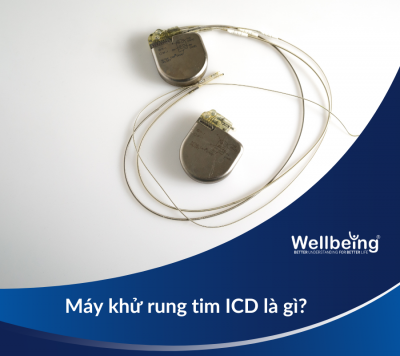
The ICD (Implantable Cardioverter Defibrillator) is an important implantable medical device designed to monitor and treat dangerous heart arrhythmias. For patients at high risk of cardiac arrest, the ICD plays a vital role in protecting cardiovascular health.
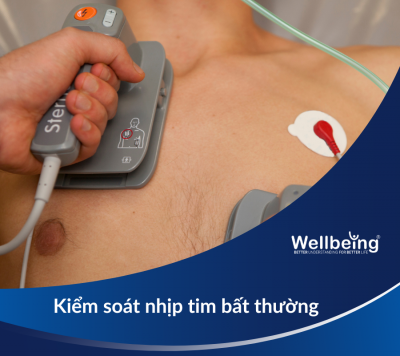
Defibrillators, also known as heart defibrillators, are medical devices designed to restore normal heart rhythm in emergencies involving cardiac arrhythmias. People with heart rhythm disorders can receive assistance at hospitals or locations equipped with Automated External Defibrillators (AEDs). However, those at high risk of life-threatening arrhythmias need to be equipped with a defibrillator on their person.
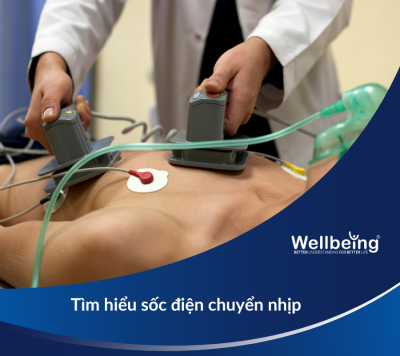
Indications for arrhythmia treatment depend on the cause, the degree of symptoms, and the severity of the arrhythmia. Arrhythmias can be treated by addressing potential underlying causes, medication, electric shock, or medical interventions. Electric shock is an important method in treating arrhythmias. There are two electric shock methods: cardioversion and defibrillation.
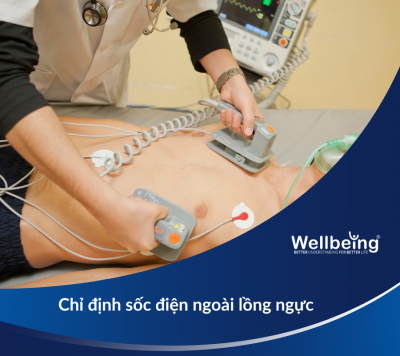
Defibrillation (or cardiac electroshock) is an important medical technique used to restore a normal heart rhythm. By discharging a high-energy electric current through the heart, the entire myocardium is depolarized. The sinus node will regain its role as the pacemaker. In this article, we will explore in detail the indications for defibrillation and some important notes.
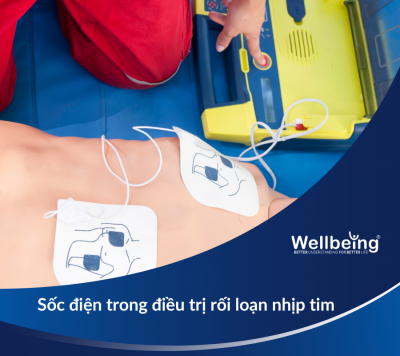
Cardiac arrhythmia is a condition characterized by an irregular heartbeat, which can lead to many serious complications if not treated promptly. One of the most effective treatment methods currently available is defibrillation (also known as electric shock therapy). Let's explore this method and the things you need to know when applying it.
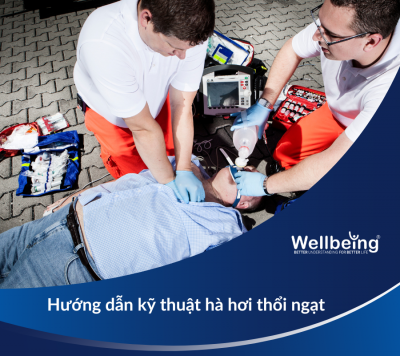
Rescue breathing (also known as artificial respiration) is an important skill for saving lives when a person experiences respiratory arrest or cardiac arrest due to various causes. In this article, we will explore this technique, how to perform it correctly, and important considerations.
 Tiếng anh
 Vietnam
.png)
.png)