
According to statistics from the Ministry of Health, over 12 million Vietnamese people suffer from hypertension. Many cases involving a sudden, severe spike in blood pressure (a Hypertensive Emergency) can lead to catastrophic complications such as hemorrhagic stroke, myocardial infarction (heart attack), acute heart failure, or acute pulmonary edema if not managed promptly.

Hypertension (high blood pressure) in the elderly is an increasingly prevalent health issue, directly impacting the quality of life and carrying the risk of severe complications such as strokes, myocardial infarctions (heart attacks), and renal failure. According to reliable medical literature, over 60% of individuals above the age of 60 in Vietnam experience hypertension, with Isolated Systolic Hypertension (ISH) accounting for the highest proportion. Understanding the root causes of hypertension in older adults and applying preventive measures not only helps control the disease but also drastically mitigates the risk of stroke—one of the most common medical emergencies in this demographic.

In the modern work environment, health, safety, and the ability to respond to emergencies are increasingly prioritized by businesses. Unexpected medical incidents, especially sudden cardiac arrest, can happen at any time in the workplace. Therefore, equipping specialized emergency devices is a crucial solution to elevate safety levels within an enterprise. Among current emergency support devices, the NT-381.C AED is chosen by many organizations and businesses thanks to its modern design, simple operation, and high rescue effectiveness.
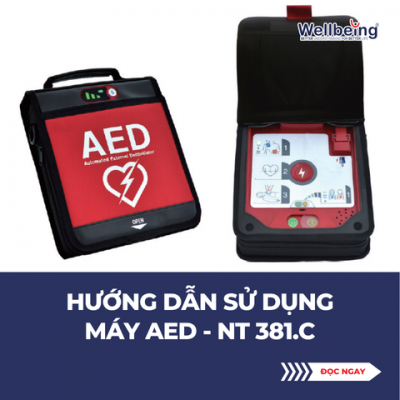
An Automated External Defibrillator (AED) is a crucial device in sudden cardiac arrest emergencies. Using the device correctly in the first few minutes can help restore the heart rhythm and significantly increase the victim's chance of survival. Among current AED models, the NT-381.C AED is highly rated for its smart design, ease of use, and suitability for deployment in various environments such as schools, offices, shopping malls, or public areas. The article below will provide a detailed guide to using the NT-381.C AED, helping you clearly understand how to operate the device as well as important notes to ensure safety during emergencies.
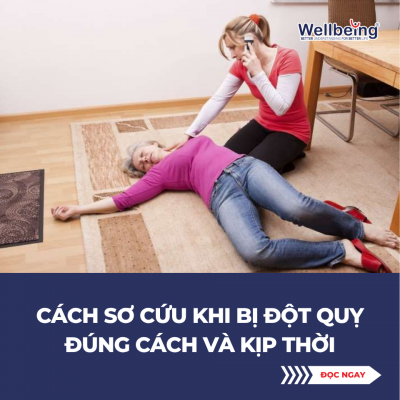
Correct and timely stroke first aid is a crucial skill that not only families with elderly members or high-risk individuals but everyone must master to protect lives and drastically minimize severe sequelae for their loved ones.
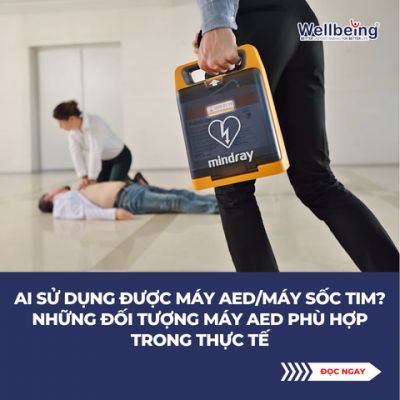
An Automated External Defibrillator (AED) is a medical device used to treat dangerous cardiac arrhythmias such as ventricular fibrillation or pulseless ventricular tachycardia—common causes of sudden cardiac arrest.
Many medical incidents occur in the workplace or at home, causing bystanders to panic and execute incorrect, often dangerous actions. These mistakes not only waste the critical "golden window" for treatment but directly threaten the victim's life. The following article details common fatal mistakes in stroke first aid and guides you on the correct response protocols according to current medical standards.
The prevalence of hypertension (high blood pressure) among the elderly (over 60 years old) in Vietnam ranges from 60% to 80%, and this figure continues to rise with age. Managing hypertension in the elderly requires a rigorous combination of lifestyle modifications, proper medication adherence, and periodic monitoring.
The signs of a myocardial infarction (commonly known as a heart attack) typically appear suddenly. However, in many cases, they are easily confused with ordinary digestive issues or general fatigue, leading to fatal delays in treatment.
In Vietnam's resort and tourism industry, equipping suitable AEDs for resorts and hotels is not only a safety solution but also a factor that elevates the guest experience. An AED—short for Automated External Defibrillator—has become an essential device in handling sudden cardiac arrest cases. At coastal resorts, mountain resorts, or large hotels that gather a multitude of tourists from various countries, the risk of cardiopulmonary arrest is elevated due to physical activities, travel stress, age, or unexpected health issues. Having the right AED enables staff and even non-medical guests to intervene promptly, significantly increasing survival rates.
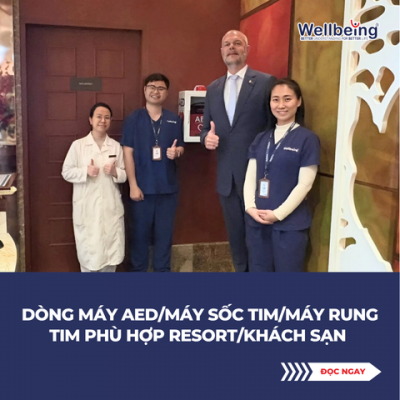
Equipping AEDs according to international standards is becoming a mandatory requirement at high-end resorts and hotels worldwide, helping to promptly save lives in cases of sudden cardiac arrest (SCA)—the leading cause of out-of-hospital deaths. In Vietnam, although there are no mandatory regulations yet, the Ministry of Health and international organizations such as the AHA (American Heart Association) and ILCOR strongly encourage the installation of AEDs in crowded public places, especially in resorts, 4-5 star hotels, amusement parks, and beaches. The "golden" window of just 3-5 minutes from cardiac arrest to successful defibrillation can increase the survival rate to over 70% when combined with proper CPR.
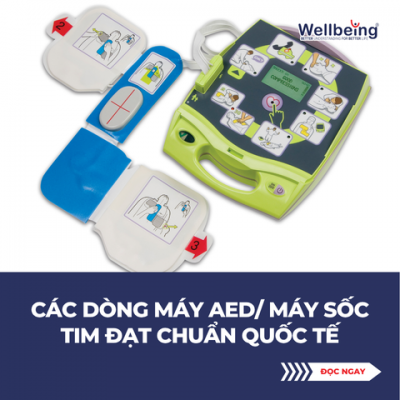
Equipping AEDs according to international standards is becoming an essential solution to enhance sudden cardiac arrest emergency capabilities in workplaces, public areas, and manufacturing facilities. An Automated External Defibrillator (AED) is a portable medical device that helps analyze the heart rhythm and delivers an electrical pulse to restore a normal heartbeat within minutes—the golden window that determines a victim's survival. Combining CPR with an AED for a victim can increase the survival rate to 70-76% if used within the first 3-5 minutes. In Vietnam, equipping AEDs according to international standards not only helps businesses comply with occupational safety regulations but also minimizes legal risks and long-term medical costs.
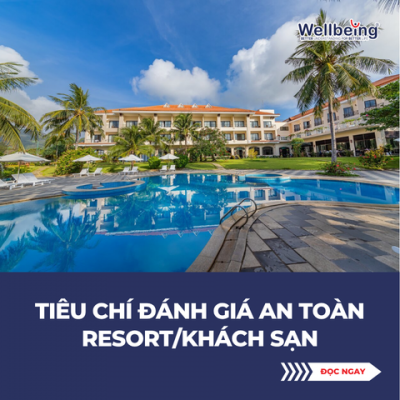
Medical equipment for resorts is one of the most important criteria when evaluating the safety level of tourist accommodation facilities. In the context of the strong development of Vietnam's tourism industry, especially in coastal areas and high-end resorts, ensuring safety for tourists does not stop at fire prevention and fighting systems or security but also requires emergency medical readiness. First aid training and having fully equipped medical equipment for resorts are the two key factors that help resorts/hotels meet international and national safety standards, minimizing the risk of death due to sudden cardiac arrest—the leading cause of death in tourism-related incidents.
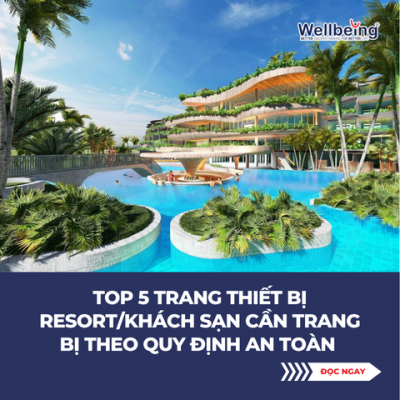
Medical equipment for resorts is not only a legal requirement but also a key factor in ensuring the safety of hundreds of guests every day. In resort and vacation environments, where guests frequently engage in swimming, water sports, mountain climbing, or simply relaxing by the pool, the risk of cardiovascular incidents, injuries, burns, drowning, or strokes can arise at any moment. Proper and fully compliant equipping helps resorts handle emergencies promptly, minimize serious consequences, and enhance brand reputation.

In the family tourism segment, a "Child-Safe Resort" is defined not merely by modern playgrounds, but by the emergency response capacity of its personnel. Foreign body airway obstruction (choking) is one of the most common and dangerous accidents, capable of causing acute asphyxiation within minutes. When a child accidentally swallows a small toy or food while exploring, the technically correct intervention of resort staff serves as the ultimate "shield" protecting the child's life.
 Tiếng anh
 Vietnam
.png)
.png)