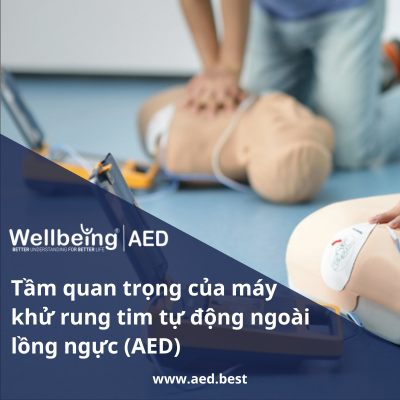
The Automated External Defibrillator (AED) is a critical medical device for managing cases of cardiac arrest and arrhythmias. With the capability to automatically analyze heart rhythms and deliver an electrical shock to victims of Sudden Cardiac Arrest (SCA), AEDs have proven to play a vital role in saving lives.
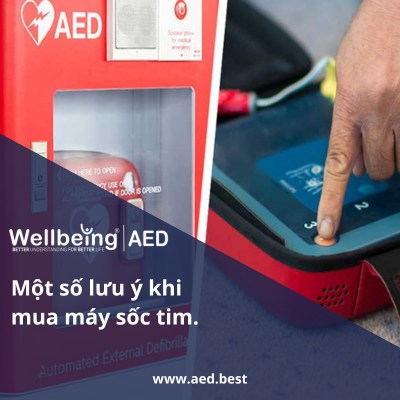
Purchasing a defibrillator is not merely a commercial transaction; it is a vital investment in safeguarding lives and enhancing community health safety.
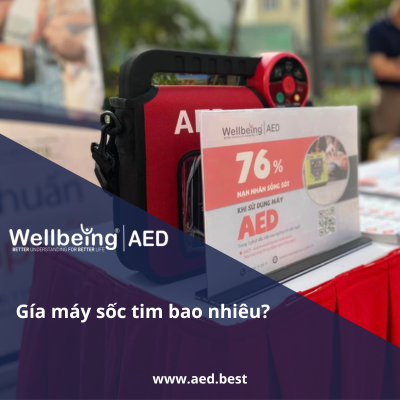
The price of heart defibrillators is often very high, which makes it difficult for many people to equip themselves with this device.
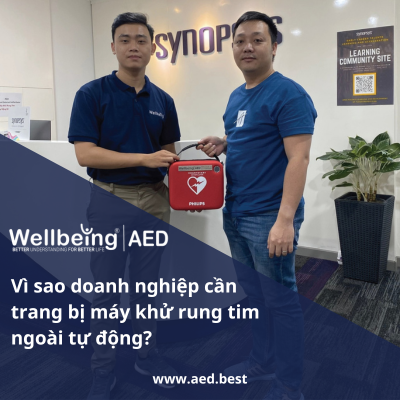
The Automated External Defibrillator (AED) is one of the most critical medical devices for saving lives during emergencies, particularly those related to cardiovascular issues.
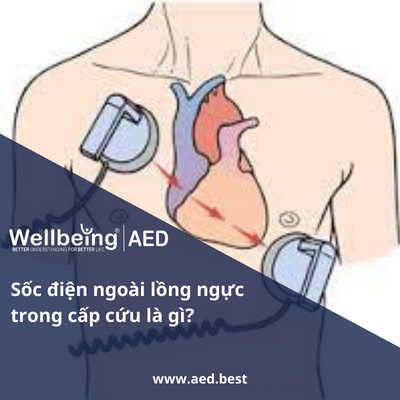
Emergency external defibrillation is a method using high-voltage electrical energy discharged across the heart for a very short duration (0.03 - 0.10 seconds) to depolarize the entire myocardium in order to restore a normal heart rhythm.
Wellbeing distributes leading AED machines in Vietnam, offering a diverse range of product lines. This includes 3 main lines from renowned brands: Philips (UK), Zoll (USA), and Nihon Kohden (Japan). All machine lines are 100% fully imported.
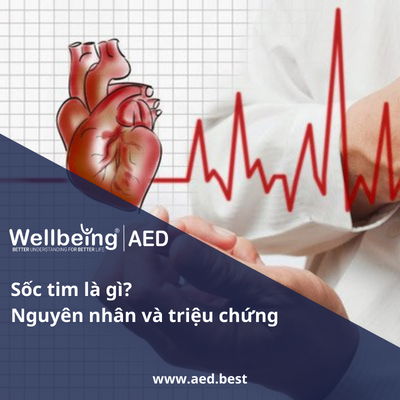
If not treated immediately, cardiogenic shock can be fatal. Although rare, it is often deadly without urgent medical intervention.
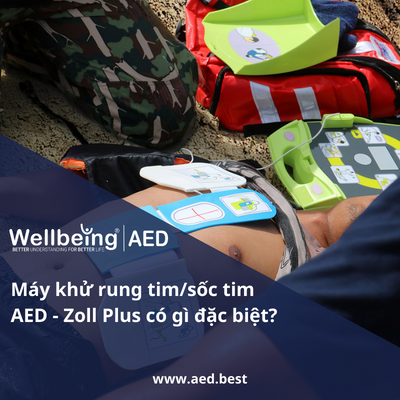
The ZOLL AED PLUS is designed to guide you through every step of the rescue chain, strictly adhering to the regulations and guidelines of the American Heart Association (AHA). This includes: Assessing responsiveness, calling for help, checking the airway, performing chest compressions, and rescue breathing (CPR).
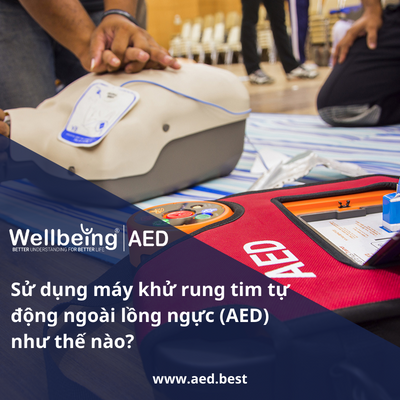
You surely haven't forgotten the device that contributed to the miracle for footballer Christian Eriksen: the Automated External Defibrillator (AED). If one day you found yourself in a situation where you had to use this "magical device" to save a loved one, would you know how to operate it?
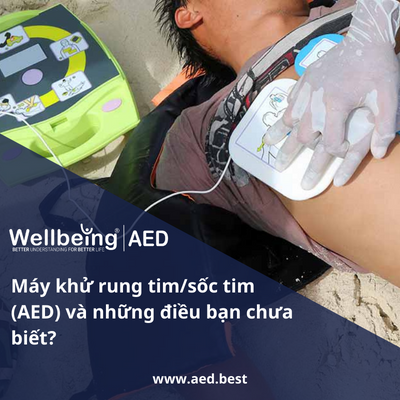
A 76% SURVIVAL RATE is achieved when an AED is used within the first 3 MINUTES of Sudden Cardiac Arrest.
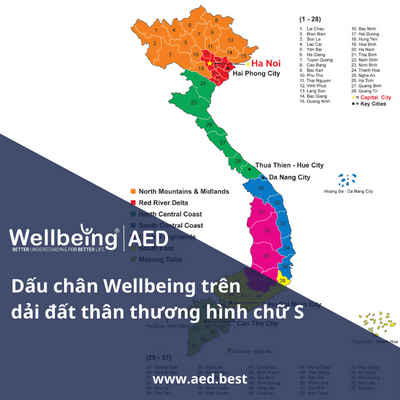
From the northernmost point of Ha Giang to the southernmost tip of Ca Mau, Wellbeing has firmly established its presence.
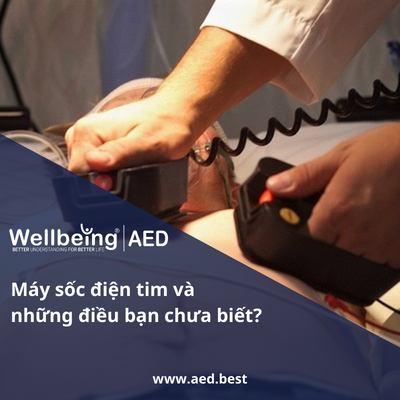
Defibrillators are multifunctional devices widely used in surgery and intensive care. Due to their simplicity and rapid effect, they are essential tools in treating and responding to cardiovascular emergencies.
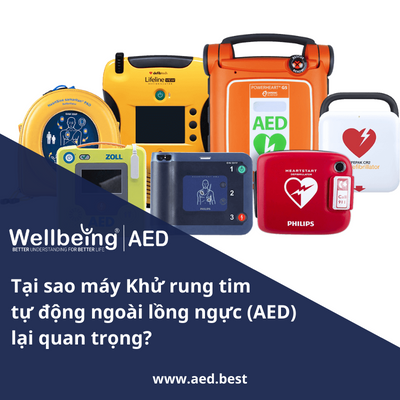
Sudden Cardiac Arrest (SCA) is one of the leading causes of death worldwide. In Vietnam, the total number of fatalities due to cardiac arrest exceeds the combined death toll of lung cancer and traffic accidents. It is particularly dangerous because it can strike anyone even healthy individuals with no prior medical history at any time and in any place
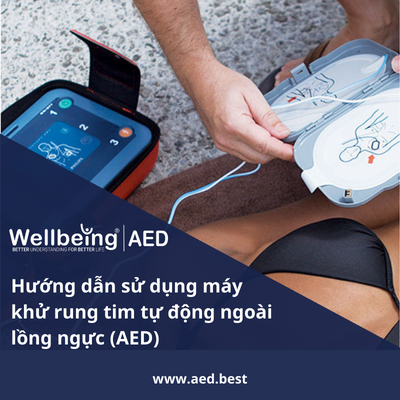
In many countries, Automated External Defibrillators (AEDs) are readily available in public locations such as shopping malls, schools, residential complexes, and airports. The device analyzes the victim's heart rhythm and provides visual or audio prompts to guide the rescuer through the necessary actions at each stage.
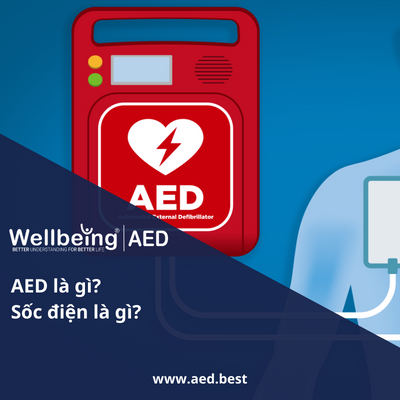
AED stands for Automated External Defibrillator. While the name might sound formal and complex, it essentially describes exactly what the device does: it is a device that "automatically eliminates heart fibrillation."
 Tiếng anh
 Vietnam
.png)
.png)