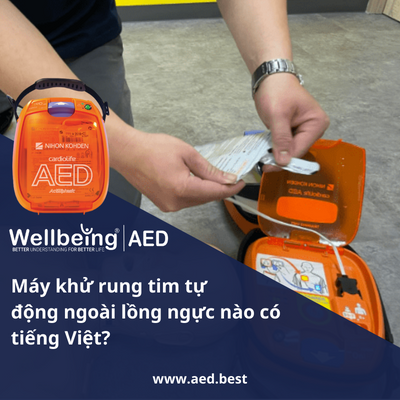
Currently, the market offers a wide variety of AED models from renowned brands such as Philips, ZOLL, Nihon Kohden, and Nanoom Tech. Each model boasts unique features suitable for different customer groups. However, in Vietnam, the availability of Vietnamese language support is a primary factor influencing the purchasing decisions of many customers. To assist you in making the right choice, the Wellbeing Health Education Organization presents the following standout AED models that feature Vietnamese voice prompts.
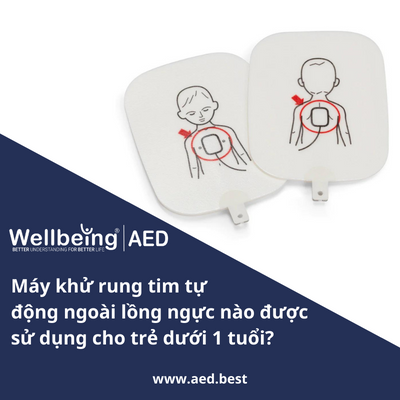
When cardiac arrest occurs, the victim's chance of survival decreases by 10% for every minute that passes. An Automated External Defibrillator (AED) serves as a critical tool to restore heart function and re-establish an effective heart rhythm during these emergencies. While adult AEDs can generally be used for children aged 1 and older, for infants (specifically from 50 days to 1 year old), it is recommended to use an AED equipped with pediatric capabilities (delivering a maximum biphasic shock of 8 Joules). So, which AED models on the market are suitable for infants under 1 year old?
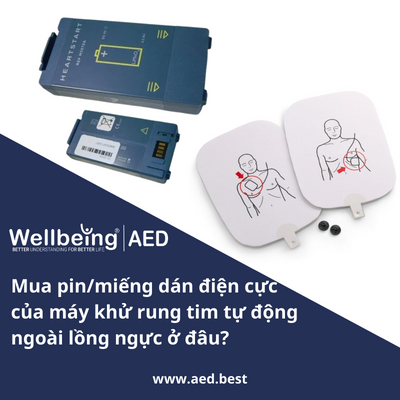
Automated External Defibrillators (AEDs) are designed to analyze a victim's heart rhythm, deliver a shock when necessary to effectively re-establish a normal heartbeat, and simultaneously guide the user in performing Cardiopulmonary Resuscitation (CPR). Globally, there are at least 7 major AED manufacturers and over 20 different models available. Crucially, each specific model requires its own unique type of battery and electrode pads. To ensure you purchase genuine accessories that are fully compatible with your specific device, where should you look?
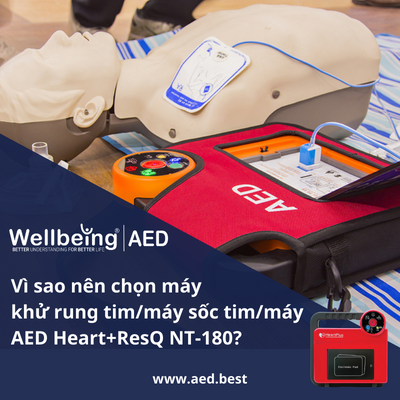
The Heart+ResQ™ NT-180 Automated External Defibrillator is the flagship model from Nanoom Tech. It is designed with versatile features suitable for a wide range of environments, including schools, offices, factories, and train stations.
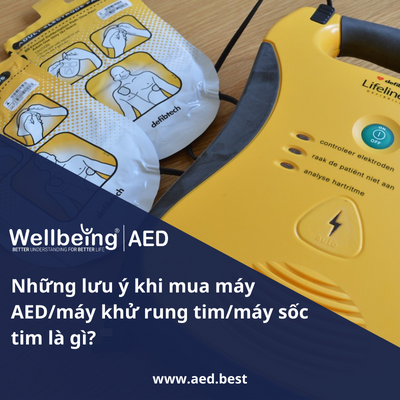
Automated External Defibrillators (AEDs) are becoming a common sight globally in locations such as shopping malls, train stations, hospitals, and schools. However, simply having an AED is not enough; knowing how to use it safely is equally critical. The Wellbeing Health Education Organization provides the following essential precautions for purchasing and using an AED.
Automated External Defibrillators (AEDs) are becoming increasingly prevalent in the community due to their vital role in first aid, potentially increasing the survival rate of cardiac arrest victims by up to 74%. However, recognizing AED errors requires regular inspection and timely resolution to ensure the device is ready before an accident occurs. Do you know how to identify common faults in these devices? Join the Wellbeing Health Education Organization in spotting these critical issues!
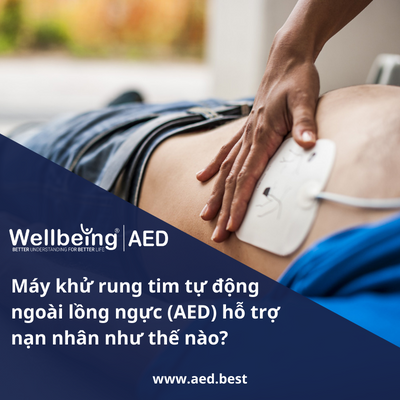
Defibrillation is a critical component of resuscitation techniques. The survival chance of a victim suffering from cardiac arrhythmia (specifically Ventricular Fibrillation or Ventricular Tachycardia) increases to 74% if an Automated External Defibrillator (AED) is used in combination with CPR in a timely manner. But do you truly understand how this device supports the victim?
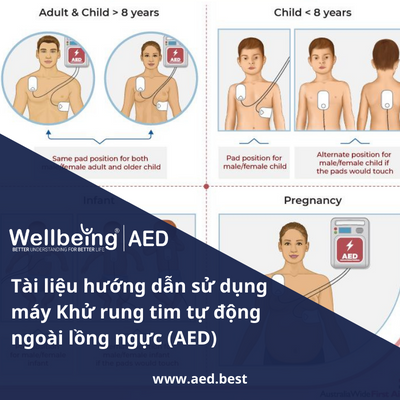
Automated External Defibrillators (AEDs) are becoming increasingly common and available in many public spaces. These devices are designed to analyze heart rhythms and provide visual and audio prompts to guide rescuers through emergency procedures in the event of cardiac arrest.
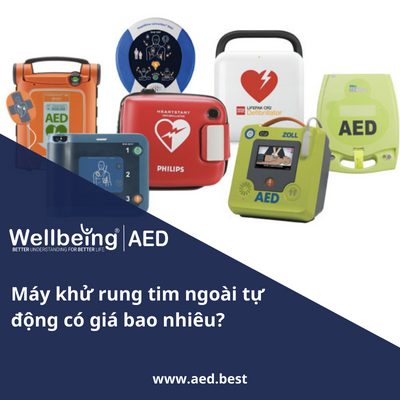
An Automated External Defibrillator (AED) is a specialized medical device that is not yet widely ubiquitous, and the investment required is significant. A high-quality AED from a reputable European manufacturer typically ranges in price from 1,000 to 2,000 EUR.
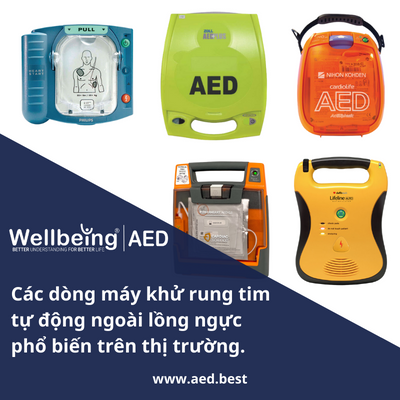
The heart functions normally when the atria and ventricles contract, pushing blood out of the heart chambers. However, for various reasons, this contraction process may not be strong enough to pump blood to the body and brain, leading to oxygen deprivation and unconsciousness. At this critical moment, an Automated External Defibrillator (AED) also known as a shock machine or defibrillator can save the victim's life.
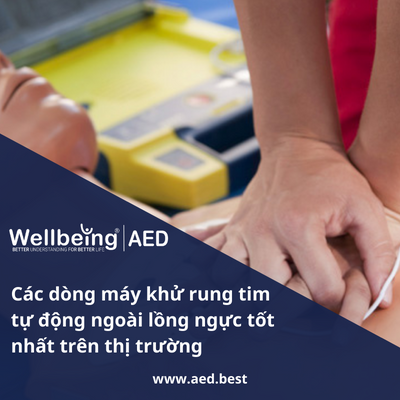
When cardiac arrest occurs, the victim's chance of survival decreases by 10% for every minute that passes without intervention. An AED analyzes the victim's heart rhythm and delivers a defibrillation shock if necessary, effectively helping to restore a normal heartbeat. Furthermore, many modern AEDs feature voice prompts and visual instructions via LCD screens to guide rescuers in performing Cardiopulmonary Resuscitation (CPR).
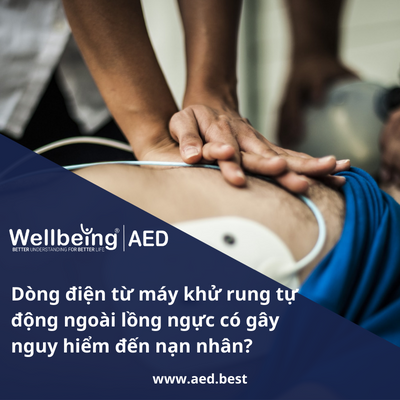
An Automated External Defibrillator (AED) is designed to deliver an electric shock to restore an effective heart rhythm in cases of out-of-hospital sudden cardiac arrest. But does this powerful electrical current pose a danger to the rescuer or the victim?
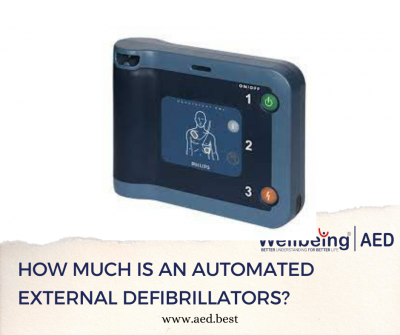
How much is an automated external defibrillator (AED)? This is a question
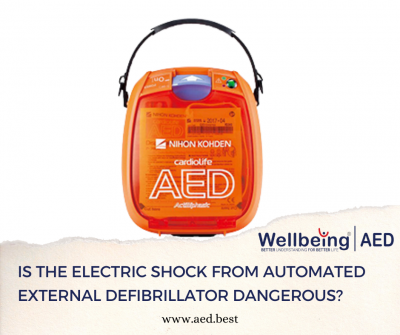
An automated external defibrillator (AED) releases a strong electrical current to
 Tiếng anh
 Vietnam

.png)
.png)