Automated External Defibrillators (AEDs) are designed to deliver a high-energy electrical pulse to eliminate abnormal heart rhythms, thereby creating the conditions necessary for the heart to resume a normal beat. However, given the high energy involved, a common question arises: Does this powerful electric current pose a danger to the rescue personnel? Let us explore this critical safety topic.
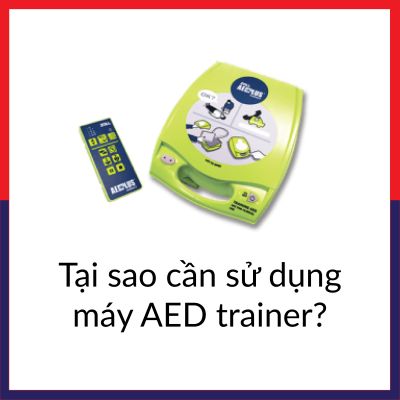
Sudden Cardiac Arrest (SCA) stands as the leading cause of death globally. It is considered particularly dangerous because it acts as a silent killer, capable of striking any individual at any moment—even those with no prior medical history or warning signs.
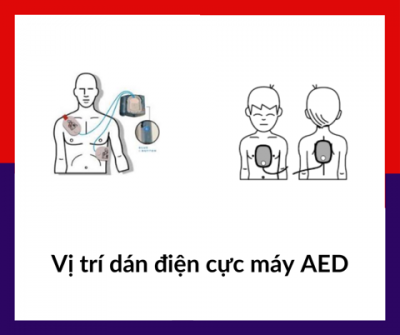
AED stands for Automated External Defibrillator. While modern AEDs are designed to automatically analyze heart rhythms and provide voice prompts to the rescuer, they cannot physically place the pads for you. Incorrect pad placement can reduce the effectiveness of the shock. Depending on the victim's age, size, and specific medical conditions, the placement of the electrode pads may vary. This article guides you through the correct procedures.
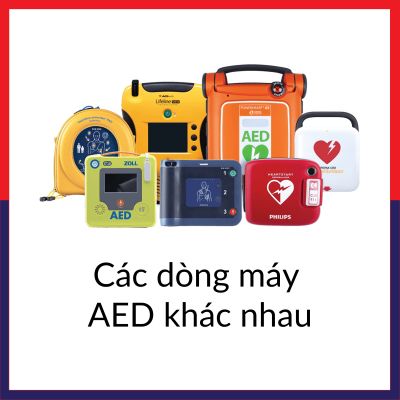
An effective heartbeat occurs when the atria and ventricles contract in a coordinated rhythm to eject blood from the heart's chambers. However, various factors can disrupt this process, leading to ineffective contractions known as arrhythmia—where the heart quivers but fails to pump blood. This phenomenon is called fibrillation. An Automated External Defibrillator (AED) analyzes the victim's heart rhythm and, if necessary, delivers a shock to defibrillate the heart, helping it re-establish an effective rhythm. Furthermore, modern AEDs guide users through Cardiopulmonary Resuscitation (CPR) using voice prompts and visual cues on LCD screens. Wellbeing is proud to distribute top-tier AED models in Vietnam. We offer a diverse range of fully imported products from three major global brands: Philips (UK/Netherlands), Zoll (USA), and Nihon Kohden (Japan)
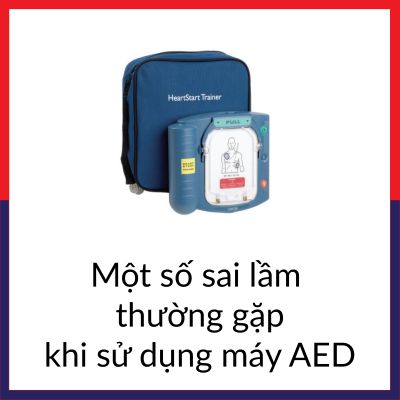
Sudden Cardiac Arrest (SCA) can strike at any moment. According to the World Health Organization (WHO), the mortality rate from cardiac arrest in Vietnam exceeds the combined death toll of lung cancer and traffic accidents. A victim's chance of survival drops by 7% to 10% for every minute that passes without defibrillation. This statistic underscores why having an onsite Automated External Defibrillator (AED) is vital. However, despite their importance, users often make critical errors during operation. This article outlines common mistakes when using an AED and how to avoid them.
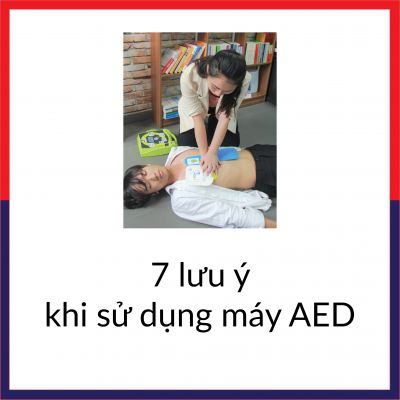
Do not be complacent in thinking that simply knowing the theory of first aid or having practiced with an Automated External Defibrillator (AED) is enough. In a real-life emergency, the high-pressure environment can make it incredibly difficult to remain calm and perform procedures with absolute precision. Preparation for the unexpected is essential. This article outlines 7 critical precautions when using an AED in combination with Cardiopulmonary Resuscitation (CPR) for victims of sudden cardiac arrest.
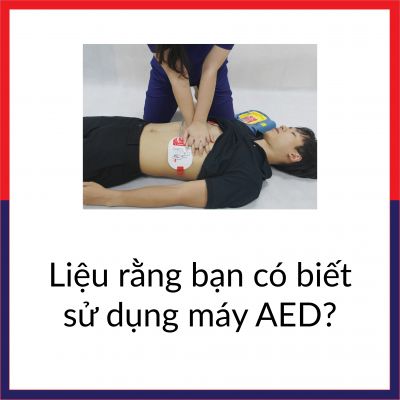
Did you know that only 9% of cardiac arrest victims survive to be discharged from the hospital? However, if immediate cardiopulmonary resuscitation (CPR) is performed, up to 30% of victims may regain a pulse. Even more incredible, if CPR is combined with the use of an Automated External Defibrillator (AED), the survival rate can soar to 67%. Therefore, the importance of an AED is undeniable. But are you confident that you know how to operate one? Let's review this vital knowledge in the article below.
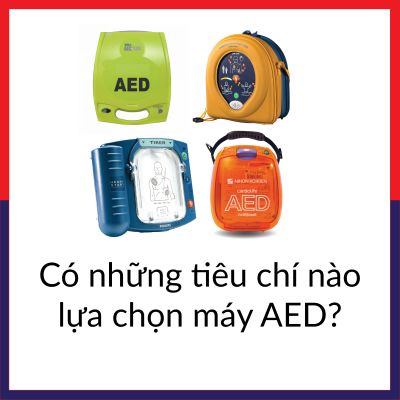
An Automated External Defibrillator (AED) is designed to analyze a victim's heart rhythm, deliver a shock (defibrillation) when necessary to help the heart restore an effective rhythm, and guide the user through Cardiopulmonary Resuscitation (CPR) via voice prompts and visual cues on an LCD screen. With at least 7 manufacturers and over 20 different AED models available globally, how do you choose a device that is both high-quality and suitable for your needs?
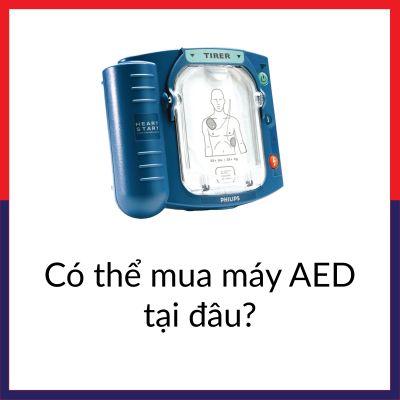
There are at least 7 major AED manufacturers and over 20 different AED models available globally. Given their immense capability to help save victims of cardiac arrest, AEDs have been widely installed in public spaces across developed nations. In Vietnam, while the term "AED" remains relatively new, it is beginning to garner attention and is being installed in select locations.
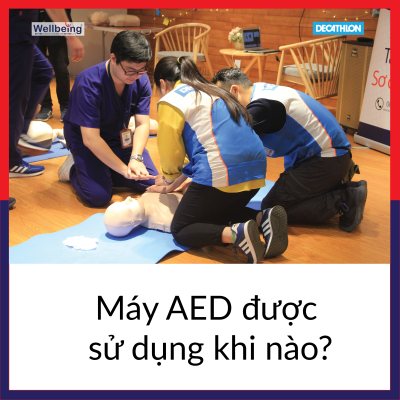
When a person suffers from cardiac arrest, the victim's survival rate decreases by 10% with every passing minute. An Automated External Defibrillator (AED) can assist in restoring cardiac function, helping the heart re-establish an effective rhythm during critical emergencies. However, knowing when to use and when not to use a defibrillator is crucial.
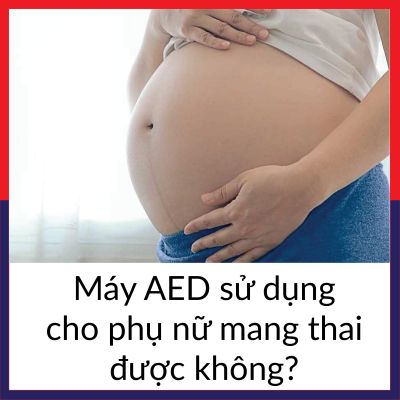
Have you ever wondered if Cardiopulmonary Resuscitation (CPR) and an Automated External Defibrillator (AED) can be performed on a pregnant woman suffering from sudden cardiac arrest? Is the electric shock from an AED dangerous for the fetus? If you have these concerns, read this article immediately to explore this important topic.
 Tiếng anh
 Vietnam
.png)
.png)