
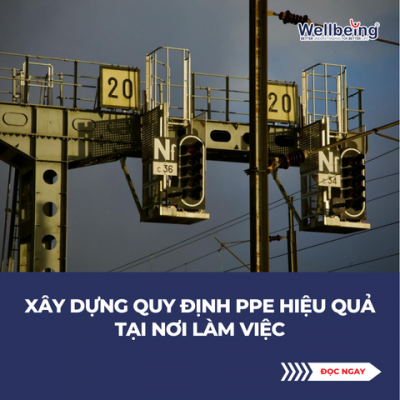
In the Health, Safety, and Environment (HSE) management structure of every business, providing personal protective equipment is not merely a procurement activity. Production reality shows that procuring sufficient equipment does not equate to a decrease in occupational accidents. To address this issue, developing and enforcing a set of regulations on necessary Personal Protective Equipment (PPE) in a scientific and strict manner is an urgent matter for every organization.
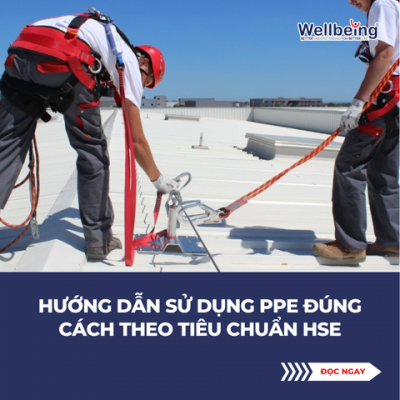
In any high-risk work environment, necessary Personal Protective Equipment (PPE) is the final line of defense between the worker and an accident. However, many incidents still occur despite workers being issued protective gear, due to incorrect usage, using the wrong type, or a lack of understanding regarding the protective purpose of each device. This article provides an analysis based on HSE standards to help businesses and workers understand, use, and manage PPE effectively.
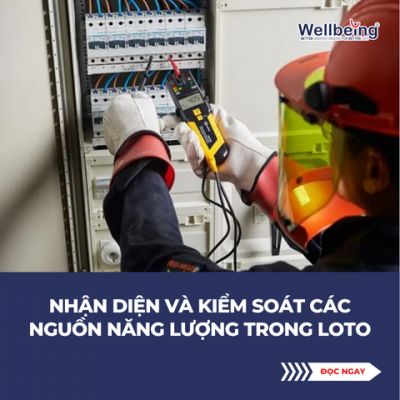
Identifying and controlling energy sources is the core content of the Lockout - Tagout (LOTO) procedure. Most serious accidents during the maintenance and repair of industrial equipment stem from failing to completely isolate energy sources or misjudging residual energy. Understanding the nature of energy sources and correctly implementing the Lockout - Tagout (LOTO) procedure is the foundation of modern safety management systems.
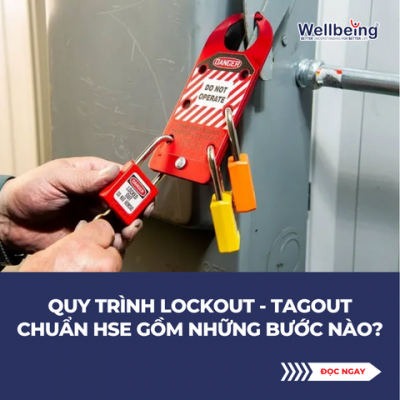
In industrial environments, accidents caused by unintended machine startup or residual energy are among the leading causes of serious injury. There are many cases where workers suffer from crushed hands, electric shocks, thermal burns, or injuries due to hydraulic, pneumatic, or electrical systems being activated during maintenance. The Lockout - Tagout (LOTO) procedure is established as a mandatory control measure within the HSE system to ensure the complete isolation of energy sources before equipment repair and maintenance.
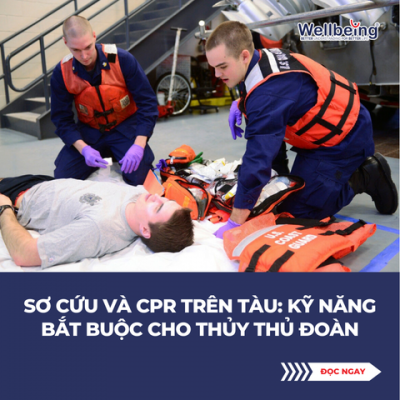
Maritime safety is not limited to collision prevention or technical incidents. Protecting human life is the central element in the entire maritime safety management system. In the context of being far from the mainland, the crew is the first response force, directly handling emergency medical situations before specialized support is available. Therefore, first aid and CPR (cardiopulmonary resuscitation) skills are not just a training requirement but a mandatory competency for the crew to ensure maritime safety and protect human lives at sea.
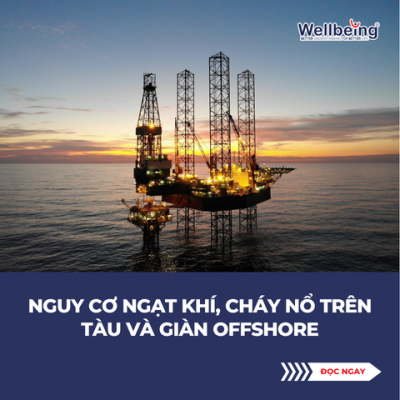
Ship and offshore rig safety are facing many challenges as maritime transport and offshore oil and gas exploitation activities continue to expand. On board ships and offshore rigs, the enclosed working environment, the storage of fuel and flammable chemicals, and the continuous operation of machinery systems mean that risks of gas asphyxiation and fire/explosion are always present. Ensuring ship safety and offshore rig safety through the correct identification of risks and the implementation of effective control measures is a core requirement in current maritime safety efforts.
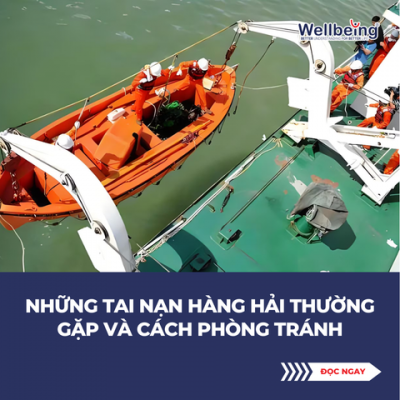
Maritime safety is a mandatory requirement in maritime transport, vessel operation, and offshore activities. Ensuring maritime safety does not only stop at complying with legal regulations but requires building a comprehensive risk management system. Most common maritime accidents can be prevented if shipping companies, captains, and crew members strictly implement preventive measures from the beginning. Being prepared with maritime incident response plans plays a decisive role in minimizing damage when risks occur.
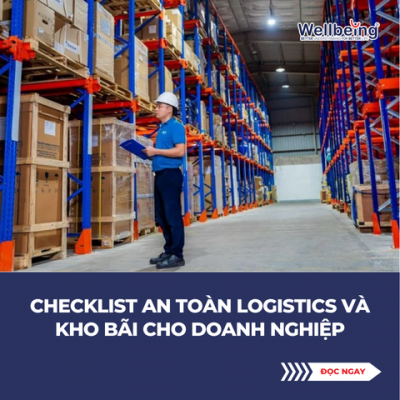
Safety in logistics and warehousing is a critical factor for businesses to operate efficiently, protect people and assets, and comply with current logistics and warehouse safety regulations. Applying a corporate logistics and warehouse accident prevention checklist not only minimizes occupational accidents but also contributes to improving operational performance and ensuring compliance with corporate warehouse safety standards.
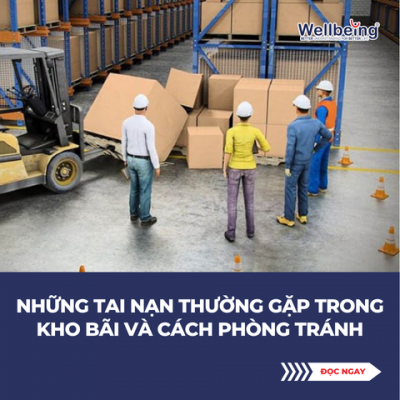
Safety in logistics and warehousing is a key factor determining operational efficiency and the health of workers. Reality shows that warehouse accidents still occur frequently due to complex working environments, high goods density, and loosely controlled operating procedures. Properly identifying risks and proactively preventing warehouse accidents is a mandatory requirement for logistics businesses today.
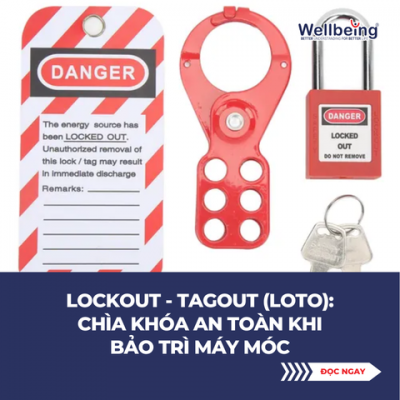
In modern production environments, the safety of production machinery and equipment is always a core factor determining the stability and sustainable development of an enterprise. One of the critical solutions helping to prevent accidents during maintenance and repair is the Lockout - Tagout (LOTO) procedure. This is considered the "safety key" that helps control risks from hazardous energy sources, protecting workers and corporate assets.
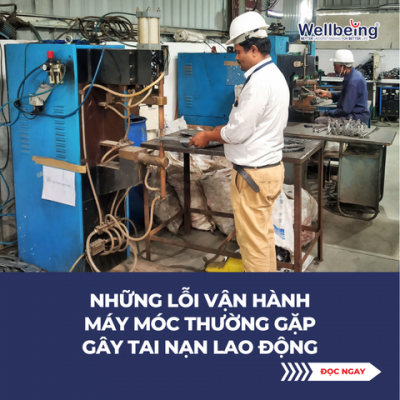
In modern production environments, even if businesses have invested in protection systems and strictly complied with regulations on the safety of production machinery and equipment, occupational accidents can still occur if operators make subjective errors. Reality shows that the majority of incidents do not stem from poor-quality equipment, but rather from incorrect operations, bypassing technical procedures, or failing to fully identify hazardous factors in the workplace. Early identification of common machine operation errors that cause occupational accidents is a crucial solution to help businesses minimize risks, limit damage, and improve the long-term effectiveness of machinery and equipment safety protocols.
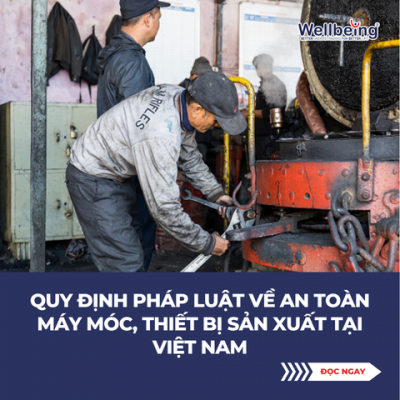
In the context of rapid industrialization and automation, ensuring the safety of production machinery and equipment has become a mandatory requirement for every enterprise. While modern machinery helps boost productivity and optimize costs, it also harbors numerous risks of occupational accidents if not strictly controlled. Therefore, Vietnamese law has established a relatively comprehensive legal framework to manage, inspect, and supervise the use of machinery and equipment subject to strict occupational safety requirements.
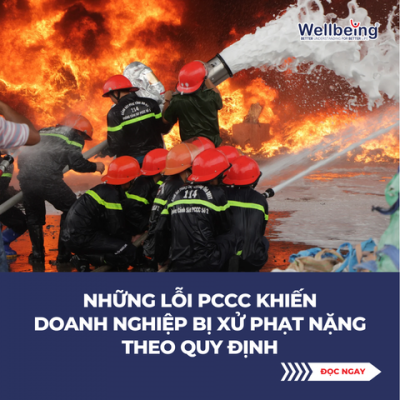
In the context of increasingly complex fire and explosion incidents, regulations on Fire Prevention and Fighting (FPF) safety are being strictly tightened. Specifically, starting July 1, 2025, Decree 106/2025/ND-CP officially takes effect, significantly increasing the penalties for many FPF violations. Below are the common Fire Prevention and Fighting (FPF) safety violations that result in businesses facing heavy fines or even the suspension of operations.
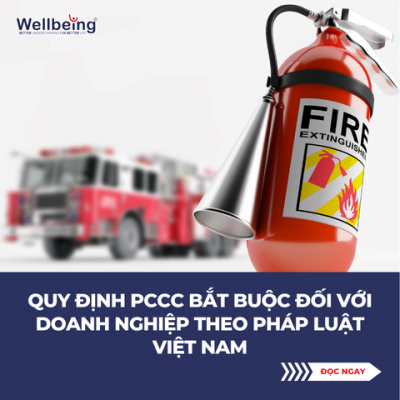
In the context of numerous fires and explosions causing severe damage to life and property, fire prevention and fighting (FPF) safety is not only a legal requirement but also a mandatory responsibility for every business. From July 1, 2025, a series of new regulations on fire prevention, fighting, and rescue operations will officially take effect, tightening management and elevating the responsibilities of the heads of production and business facilities. So, what fire safety regulations must businesses comply with? Does the reduction of administrative procedures compromise safety requirements? The article below will help provide a clear understanding.

Industrial dust is one of the most common pollutants generated during manufacturing processes, particularly in mechanical engineering, cement production, mining, woodworking, textiles, and metallurgy. If not properly controlled, industrial dust not only poses severe threats to workers' health but also leads to violations of environmental and occupational safety laws.
 Tiếng anh
 Vietnam
.png)
.png)